
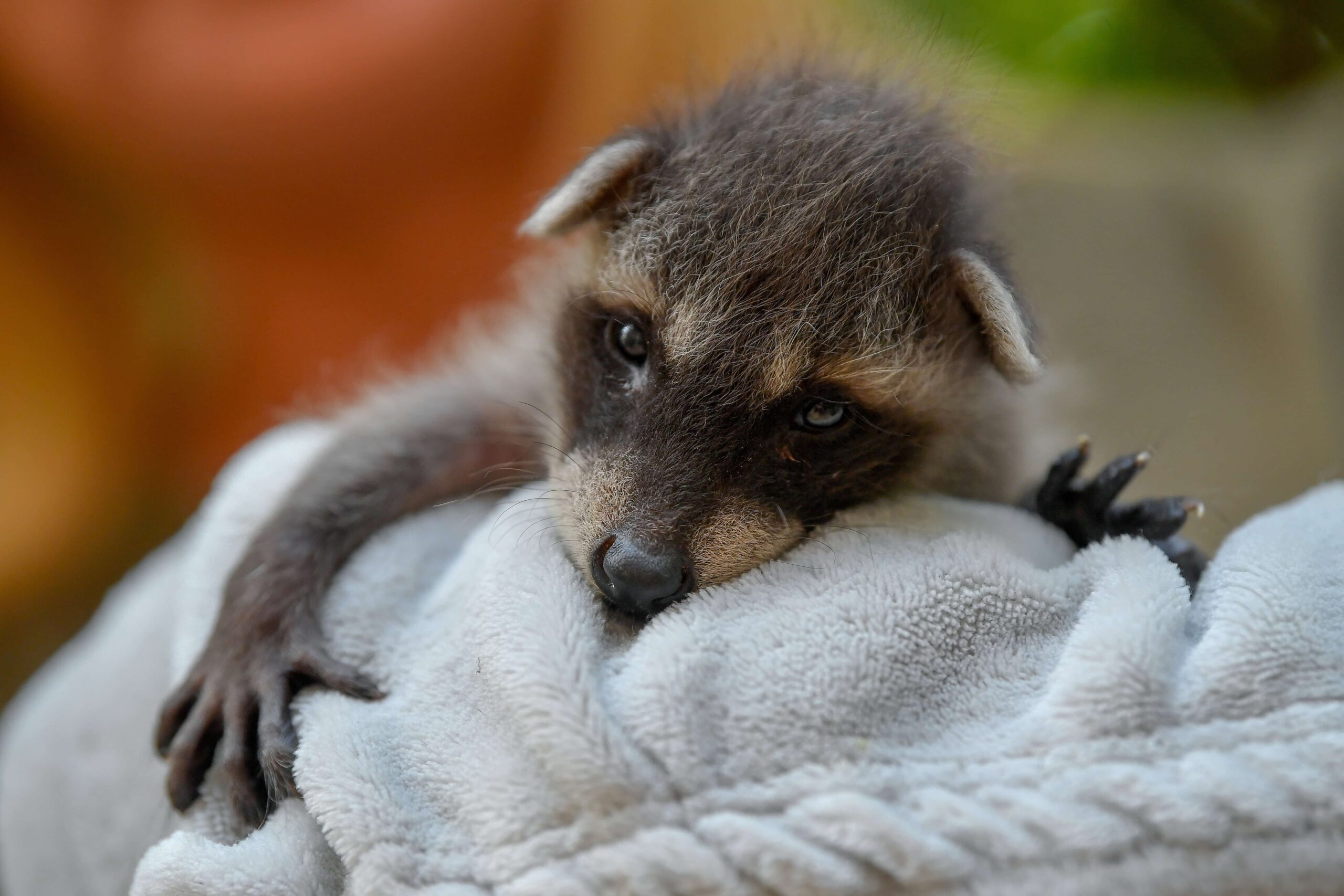
The article Newborn Raccoon Behavior: What To Expect provides a comprehensive guide to understanding the intricate behaviors of newborn raccoons. It outlines the key stages of development, emphasizing the crucial nutritional needs and appropriate housing for these young animals. The post highlights the importance of socialization for healthy growth and addresses common health concerns that may arise during their early life. Readers will learn how to recognize behavioral signs of stress in newborn raccoons and discover effective training techniques to promote positive behavior. Additionally, the article offers practical advice on supporting baby raccoons during challenging times. In conclusion, it consolidates key takeaways essential for the proper care and understanding of newborn raccoons, ensuring that caretakers are well-prepared for this rewarding experience.
Understanding Newborn Raccoon Behavior: An Overview
Understanding the behavior of a newborn raccoon is crucial for anyone looking to care for these adorable creatures. During their first few weeks of life, raccoons display distinct behaviors that are essential for their survival and development. These behaviors are driven primarily by instinct, as newborns rely heavily on their innate programs to navigate their environment. They will instinctively seek warmth and comfort, often cuddling close to their siblings for security. Additionally, they emit soft vocalizations to communicate with their mother and siblings, signaling their needs and emotions.
Key Aspects of Newborn Raccoon Behavior
- Dependence on Mother: Newborn raccoons are entirely reliant on their mother for food and warmth.
- Warmth Seeking: They instinctively seek warmth, often cuddling together to conserve heat.
- Vocal Communication: Soft cries and whimpers are common as they communicate their needs.
- Exploration: As they grow, they will begin to explore their surroundings under careful supervision.
- Social Bonding: Sibling interactions are crucial for developing social skills.
- Play Behavior: Light play becomes more pronounced as they gain strength and coordination.
As these newborn raccoons grow, their behavior will adapt, reflecting their developmental stages. It’s important to monitor these behaviors closely, as they provide insight into the raccoon’s health and well-being. By understanding these key aspects, caregivers can provide the appropriate environment and care for the young raccoons during this critical development phase. Observing the behavioral signs of distress or discomfort can also help in addressing potential issues early.
Key Stages of Newborn Raccoon Development
The development of a newborn raccoon is a fascinating process, characterized by several key stages that contribute to their growth and survival. Understanding these stages is essential for anyone involved in the care and rehabilitation of these adorable animals. From the moment they are born, raccoon kits exhibit unique behaviors and characteristics that evolve as they mature. Each developmental stage is crucial for their physical and social growth, setting the foundation for their future health and behavior.
As newborn raccoons transition from helpless little kits to more independent creatures, various factors influence their development. Among these factors are nutritional needs, environmental stability, and social interactions. During this period, their experiences significantly shape their instincts and behaviors, preparing them for life in the wild or as companions in human care. Below is a table that outlines the physical milestones typically observed throughout the early stages of newborn raccoon development.
| Age | Physical Milestones | Key Developmental Notes |
|---|---|---|
| 0-2 weeks | Eyes and ears closed; limited mobility | Dependence on mother for warmth and milk |
| 3-4 weeks | Eyes and ears open; beginning to crawl | Start of environmental exploration |
| 5-6 weeks | First solid food consumption; strong crawling | Learning to bond with their siblings |
| 7-8 weeks | Increased mobility; beginning to climb | Developing basic social skills |
Stages of Development
- Birth to 2 weeks: Total reliance on mother, eyes and ears closed.
- 3-4 weeks: Emerging mobility, eyes and ears start to open.
- 5-6 weeks: Consuming solid food while practicing navigation.
- 7-8 weeks: Exploration of surroundings and learning to climb.
- 9-12 weeks: Increased independence, starts to exhibit curiosity.
- 3-4 months: Development of play behaviors; gaining physical confidence.
Physical Development
The physical development of a newborn raccoon is marked by critical changes that occur within the first few weeks of life. Initially, they are born blind and deaf, relying entirely on their mother. As they grow, their eyes and ears begin to open, enabling them to perceive their surroundings. During this period, they also start to exhibit crawling behaviors, crucial for exploring their environment. As they achieve greater physical strength, they become more adventurous, which is vital for survival in the wild.
Social Development
Alongside physical development, social skills play a key role in a newborn raccoon’s growth. Interaction with their mother and siblings is essential for learning behaviors and establishing social structures. From sneezing in play to gentle wrestling, these early interactions help raccoon kits learn about boundaries and communication. As they reach approximately eight weeks, they begin to engage more actively with their environment and other raccoons, setting the stage for a socially adept adult. Understanding this developmental phase allows caregivers to facilitate healthy interactions during critical periods.
Understanding the Nutritional Needs of Newborn Raccoons
Providing the right nutrition for a newborn raccoon is essential for its growth and overall health. Newborn raccoons, or kits, rely heavily on their mother’s milk for sustenance during the early weeks of life. If a mother raccoon is unavailable, caregivers must step in to ensure the kits receive an appropriate substitute. Proper nutrition is critical during the first few months as it sets the foundation for their physical and behavioral development.
| Age (Weeks) | Dietary Needs | Feeding Frequency |
|---|---|---|
| 0-2 | Mother’s milk or formula | Every 2-3 hours |
| 2-4 | Formula, mashed soft foods | Every 3-4 hours |
| 4-6 | Formula, pureed fruits/vegetables | Every 4-5 hours |
| 6-8 | Solid food introduction (kibble, fruits) | Every 5-6 hours |
At around two weeks, newborn raccoons begin to show signs of independence from the mother’s milk. Caregivers should introduce a gradual transition to solids while ensuring they continue to receive essential hydration. It’s vital to monitor for any signs of reagents to new foods, as their digestive systems are still developing. Keep in mind that a steady supply of safe, high-quality food can aid tremendously in their growth journey.
Essential Nutrients for Newborn Raccoons
- Protein: Crucial for growth and tissue repair.
- Fat: Provides energy and helps in nutrient absorption.
- Vitamins: Supports immune function and overall health.
- Minerals: Important for bone development and various bodily functions.
- Fiber: Aids in digestion as the diet evolves to solid foods.
- Hydration: Essential for overall bodily function and health.
As you care for a newborn raccoon, it’s also important to keep in mind their unique digestive and nutrition needs. Regularly assess their weight and behavior to ensure they are receiving adequate nourishment. Consultation with a wildlife or veterinary professional can also provide valuable insights into the best practices for feeding and caring for these adorable kits.
Housing and Caring for Newborn Raccoons
Caring for a newborn raccoon involves creating a safe and nurturing environment to support its development. When these animals are separated from their mother, which might occur due to injury or other unforeseen circumstances, they require immediate attention. It’s essential to ensure that their habitat mimics the natural conditions they would experience in the wild, providing comfort and security. The environment should be clean, quiet, and free from stressors that could harm these vulnerable creatures.
In addition to a suitable habitat, proper care is paramount for the health and growth of a newborn raccoon. This care includes monitoring their dietary needs, warmth, and overall health. As nocturnal creatures, newborn raccoons tend to be more active at night, showcasing behaviors such as exploring their surroundings and playing. Understanding and respecting their natural behaviors can significantly enhance the overall care process.
Steps to Create an Ideal Habitat
- Ensure the enclosure is spacious enough for them to roam and play.
- Provide soft bedding materials that are warm and comfortable.
- Maintain a consistent, warm temperature to keep them cozy.
- Include hiding spots and climbing structures for stimulation.
- Ensure proper ventilation to create a healthy living environment.
- Keep the habitat clean, free from waste and harmful substances.
- Limit exposure to loud noises and bright lights to reduce stress.
Providing a controlled environment helps minimize health risks faced by the newborn raccoon. Additionally, be sure to establish routine feeding and interaction schedules to foster trust and attachment. Make use of feeding bottles with a suitable formula, as their nutritional requirements are critical during early development stages. Always consult a wildlife rehabilitator or veterinarian who specializes in raccoons to ensure you are meeting their specific needs.
Socializing Newborn Raccoons for Healthy Development
Socialization is crucial for the healthy development of a newborn raccoon. These young animals, when raised in a supportive environment, can develop the necessary social skills required for their survival in the wild. Introducing them to various stimuli and experiences from a young age will help them become well-adjusted and less fearful in unfamiliar situations. By fostering social interactions, you are not only enhancing their confidence but also preparing them for a life outside their nurturing environment.
Tips for Effective Socialization
- Introduce different environments gradually to avoid overwhelming them.
- Encourage interaction with humans to foster trust and reduce fear.
- Expose the raccoons to other animals, ensuring they are friendly.
- Utilize toys and games to promote play and interactive behaviors.
- Monitor their reactions to various sounds and sights to alleviate anxiety.
- Provide consistent routines to create a sense of stability.
- Reward positive behavior to reinforce social skills.
As your newborn raccoon begins to grow, you will notice shifts in their behavior especially as they engage more with their surroundings. It’s important to respect their personal space while gently encouraging them to explore. Remember that socialization is not a one-time event; it’s an ongoing process that requires patience and positive reinforcement. Always observe their comfort levels and gradually expose them to new experiences to promote a healthy sense of curiosity.
Encouraging socialization in newborn raccoons also involves understanding their unique behaviors. They may exhibit shyness or cautiousness when presented with new situations, which is a normal part of their development. Implementing a mix of positive experiences will significantly assist in building their confidence. As they learn to navigate their world, you’ll find these efforts play a vital role in their overall well-being. Prioritizing these socialization techniques will ultimately lead to a healthier and more adaptable raccoon in their adult life.
Common Health Concerns for Newborn Raccoons
When caring for a newborn raccoon, it’s essential to be aware of various health issues that may arise during their early development. Unlike other mammals, newborn raccoons are quite vulnerable, and any health concern can significantly impact their growth and overall well-being. Regular monitoring and understanding these potential health problems can aid in providing better care. Furthermore, early intervention can save these precious creatures from serious conditions.
| Health Concern | Symptoms | Treatment Options |
|---|---|---|
| Dehydration | Sunken eyes, dry mouth | Fluid replacement, hydration therapy |
| Hypothermia | Cold body, lethargy | Warm environment, heating pads |
| Respiratory Infections | Coughing, nasal discharge | Veterinary care, antibiotics |
| Intestinal Parasites | Weight loss, diarrhea | De-worming medications |
It’s crucial to establish a routine for checking the health of a newborn raccoon, as they are prone to illnesses that can develop quickly. Making use of a checklist can help in identifying signs of distress or disease. Regular veterinary check-ups are recommended to ensure their health is on track and to catch any issues before they become more severe.
Health Issues to Monitor
- Dehydration
- Hypothermia
- Respiratory issues
- Intestinal parasites
- Skin infections
- Malnutrition
Providing optimal care for a newborn raccoon means being proactive in monitoring their health and understanding the related concerns. Being knowledgeable about these health issues can make a significant difference in their chances for survival and lead to a well-adjusted adult raccoon. By staying vigilant and prepared, you can ensure your newborn raccoon has the best start in life possible.
Recognizing Behavioral Signs of Stress in Newborn Raccoons
Understanding the behavioral cues of a newborn raccoon is essential for ensuring its well-being. Stress can manifest in subtle ways, and it’s crucial for caregivers to be alert to these signs. Newborn raccoons are particularly vulnerable during their early stages of development, making their environment and interactions pivotal in shaping their behavior. Being attentive to signs of distress can help in implementing necessary changes to promote a healthier atmosphere.
Signs to Look Out For
- Refusal to eat or drink
- Excessive vocalization or crying
- Avoidance of human contact or hiding
- Increased aggression or biting
- Shaking or trembling body language
- Grooming excessively or self-soothing behaviors
In observing these behaviors, it’s essential to understand that stress in a newborn raccoon can be influenced by various factors, including environmental changes or lack of proper nutrition. Each indication may differ in severity, but recognizing them early can facilitate prompt interventions, helping the raccoon to regain a sense of security and comfort. By fostering a stable, nurturing environment, caregivers can significantly lessen stress levels in these delicate creatures.
Training Techniques for Newborn Raccoon Behavior
Training a newborn raccoon requires patience and an understanding of their unique behaviors. At this stage, these animals are curious and impressionable, making it crucial to implement effective training methods early. The key is to create a safe and positive environment where the raccoon feels secure enough to explore while learning appropriate behaviors. You should also ensure that your training sessions are short and engaging, as newborn raccoons tend to have short attention spans.
Effective Training Steps
- Establish a routine to create familiarity.
- Use gentle reinforcement techniques, such as treats.
- Introduce simple commands like “come” or “no.”
- Ensure consistency in your commands and reactions.
- Monitor their body language to gauge understanding.
- Limit distractions during training sessions.
- Celebrate small achievements to build confidence.
Consistency is essential when training your newborn raccoon. The use of these steps will help reinforce desired behaviors and facilitate a deeper bond between you and your raccoon. Always remember that each raccoon is unique and may respond differently to various techniques. Be prepared to adjust your approach based on your raccoon’s personality and preferences.
Additionally, socialization plays a significant role alongside training. Exposing your newborn raccoon to various environments and other animals can help in developing their confidence and adaptability. Throughout their training, it is vital to monitor their stress levels and change your methods if you notice any signs of discomfort. Ultimately, patience, guidance, and a loving approach will yield the best results in nurturing a well-behaved and happy newborn raccoon.
How to Support Baby Raccoons During Challenging Times
When it comes to caring for a newborn raccoon, it’s essential to provide the right environment and support to ensure their healthy development, especially during challenging times. Newborn raccoons are vulnerable and require consistent care that mimics their natural habitat. They rely heavily on the guidance of their mothers, and when this is absent, human intervention becomes critical. Understanding the behaviors and needs of these young animals can significantly aid in effectively supporting them.
Supportive Measures
- Provide a warm and safe environment.
- Ensure they have access to proper nutrition, including specialized formulas.
- Monitor their behavior for signs of stress or illness.
- Use gentle handling to build trust and reduce distress.
- Establish a routine to help them feel secure.
- Socialize them with humans and other raccoons when appropriate.
- Consult a veterinarian for any health concerns or advice.
Implementing these supportive measures will foster a nurturing atmosphere for a newborn raccoon. Remember that patience and dedication are key components of successful care. As you learn to recognize their needs, you will create a bond that reassures them during their vulnerable stages. Supporting a newborn raccoon requires commitment, insight, and an understanding of their unique behavior.
Conclusion: Key Takeaways for Caring for Newborn Raccoons
As you embark on the rewarding journey of caring for a newborn raccoon, understanding their unique needs and behaviors is vital. By being attuned to their developmental stages, nutritional requirements, and socialization techniques, you can provide a nurturing environment that promotes healthy growth. Remember that each newborn raccoon may exhibit varying behaviors; thus, patience and observation will be key in addressing their specific needs.
Essential Points to Remember
- Newborn raccoons require a warm and safe habitat.
- Proper nutrition is crucial; consult a wildlife expert for diet recommendations.
- Socialization plays a significant role in their emotional development.
- Monitor for common health concerns and seek veterinary care when necessary.
- Recognize signs of stress and provide comfort accordingly.
By summarizing these takeaways, you can ensure that the newborn raccoon in your care thrives. Regularly educate yourself on new information and techniques related to their care, fostering both a strong bond and a healthy relationship with your new companion. In doing so, you contribute to their well-being and prepare them for a successful transition into the wild.
Frequently Asked Questions
What are the initial behaviors of a newborn raccoon?
Newborn raccoons are typically very dependent on their mothers. They are born blind and deaf, and rely on their mother for warmth, nourishment, and care. Their initial behaviors include rooting for their mother’s teats and staying in a cuddled position for warmth.
How do newborn raccoons develop over the first few weeks?
In the first few weeks, newborn raccoons experience significant growth. By about two weeks, their eyes begin to open, and they start to gain mobility. By four weeks, they become more active and start to explore their environment, gradually becoming more independent.
What type of diet is essential for newborn raccoons?
Newborn raccoons require a diet rich in protein and fats. If orphaned, they should ideally be fed a commercial raccoon milk replacer designed for wildlife, ensuring they receive the necessary nutrition to promote healthy growth.
What is the best way to house and care for a newborn raccoon?
Newborn raccoons should be housed in a warm and secure environment to mimic their natural habitat. A spacious, escape-proof enclosure with soft bedding, as well as access to clean water and appropriate food, is essential for their health and comfort.
How can I socialize a newborn raccoon?
Socializing newborn raccoons involves gentle handling and interaction to help them become accustomed to human presence. Consistent positive exposure to various stimuli and people can facilitate their development into well-adjusted adult raccoons.
What are some common health issues that newborn raccoons face?
Common health concerns for newborn raccoons include dehydration, hypothermia, and infectious diseases. It’s crucial to monitor their behavior and physical condition closely for any signs of illness and consult a wildlife rehabilitator or veterinarian when necessary.
How can I identify if a newborn raccoon is stressed?
Signs of stress in newborn raccoons may include excessive vocalization, lethargy, aggression, or refusal to eat. Being observant of their behaviors and immediate environment can help identify any stressors.
What techniques are effective for training newborn raccoons?
Training newborn raccoons can involve encouraging desired behaviors through positive reinforcement, such as treats and praise. Early training can help establish a bond and promote good behavior as they grow older.