
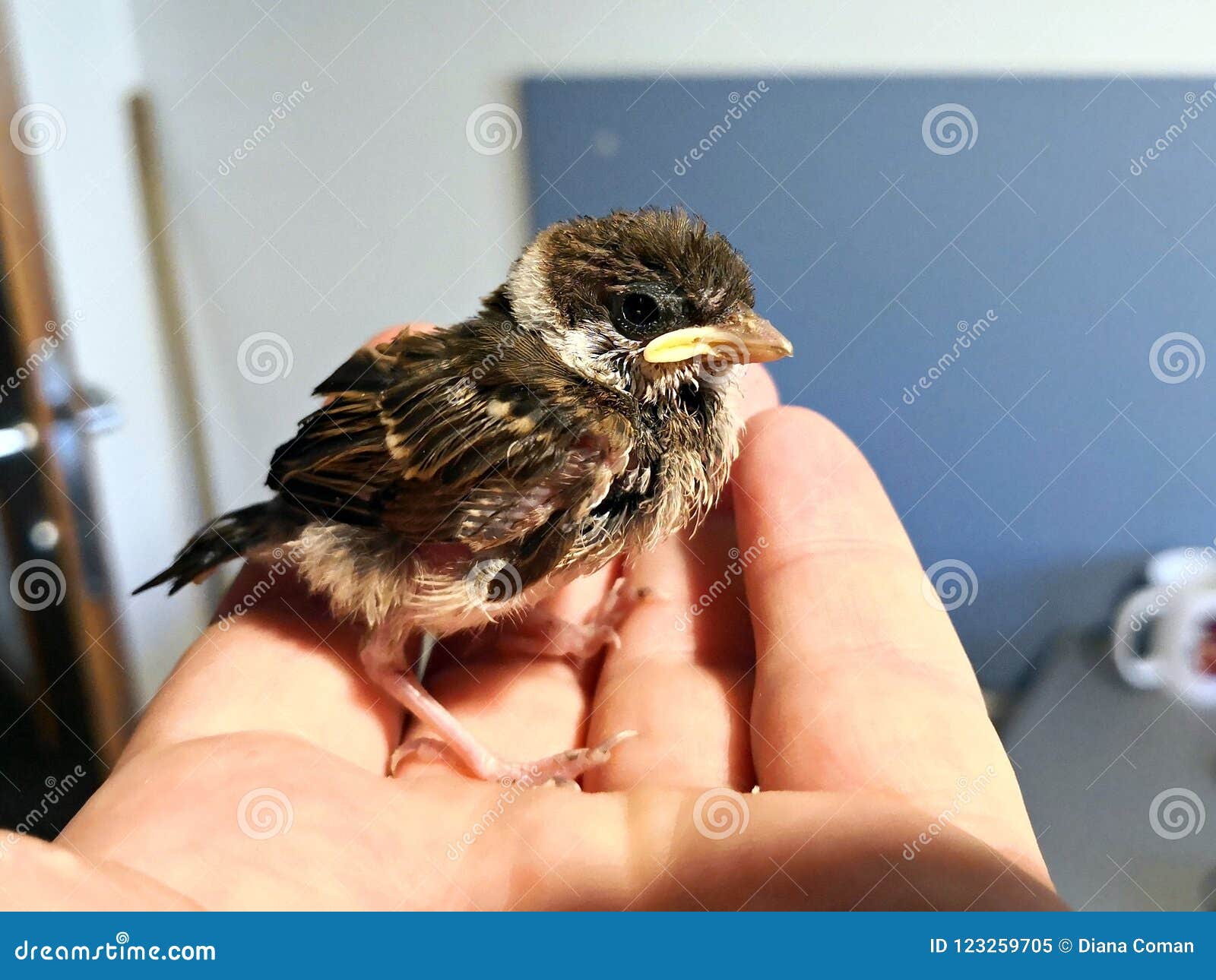
Caring for newborn sparrows requires a deep understanding of their specific needs and challenges. This blog post outlines essential steps for nurturing these delicate birds, emphasizing the creation of a safe environment and providing proper feeding guidelines. It highlights the importance of recognizing common health issues that can affect newborn sparrows and offers advice on nurturing their social skills. A balanced diet plan is crucial for their growth, while monitoring their development ensures they thrive. The article also addresses when to seek veterinary help for any concerns. With these tips and guidelines, readers will be equipped to successfully care for newborn sparrows and support their journey to independence.
Understanding The Needs Of Newborn Sparrows
Newborn sparrows have specific needs that are crucial for their survival and development. These small birds are entirely dependent on caregivers to meet their basic requirements in the early stages of their lives. Understanding these needs not only ensures that they grow healthy but also prepares them for eventual independence in their natural habitat. From maintaining suitable temperature conditions to ensuring they receive proper nutrition, every aspect plays a vital role in their early development.
Key Considerations
- Temperature control: Keep the environment warm, as newborn sparrows are susceptible to cold.
- Feeding frequency: Newborn sparrows require frequent feeding, usually every 15 to 30 minutes.
- Dietary requirements: A balanced diet is essential, considering their nutritional needs.
- Hydration: Ensure they have access to moisture; often provided through wet food initially.
- Physical safety: Create a secure environment to protect them from potential predators.
- Social interaction: Gentle handling can help them become more accustomed to human presence.
- Observation: Regularly monitor their growth and behavior for any signs of distress or health issues.
Meeting the needs of newborn sparrows demands consistent effort and knowledge. It is paramount for caregivers to provide a nurturing environment so these young birds can thrive. As you navigate through the various aspects of their care, consider consulting resources or experienced bird care professionals for additional guidance. Establishing a solid foundation will significantly contribute to their growth and well-being, ultimately preparing them for their future lives in the wild.
Essential Steps For Caring For Newborn Sparrows
Caring for newborn sparrows requires a commitment to their well-being and development. These tiny birds are incredibly fragile in their early days, making it essential for caregivers to be informed about their needs. Providing appropriate care at this stage not only ensures their survival but also contributes significantly to their growth and socialization skills.
Caring Steps
- Provide a Warm Environment: Newborn sparrows need warmth to thrive, as they cannot regulate their body temperature. Use a heating pad or a warm water bottle wrapped in a towel to create a cozy space.
- Ensure Cleanliness: Keep their living area clean to prevent infections. Regularly change bedding and clean food and water dishes.
- Feed with Care: Use a specialized formula made for baby birds and feed them using a syringe or dropper. Proper feeding is crucial for their growth.
- Monitor Their Health: Keep an eye on their eating habits and droppings to identify any health issues early. Look for signs like lethargy, which may require veterinary attention.
- Encourage Exercise: As they grow, provide safe spaces where they can practice hopping and flapping their wings, which is essential for their development.
- Socialize Gradually: Handle them gently and allow them to interact with their environment to foster social skills.
By following these steps, you’ll be well-equipped to provide nurturing care for your newborn sparrows. Remember, their early experiences significantly influence their behavior and health as they mature. Therefore, being attentive and patient during this period is paramount to ensuring they develop into healthy, happy birds.
Creating A Safe Environment For Newborn Sparrows
To ensure the well-being of newborn sparrows, creating a safe environment is crucial. Young birds are particularly vulnerable and require specific conditions to thrive. By understanding their needs and implementing safety measures, you can protect them from potential hazards. In this section, we will explore essential safety tips and suitable shelter options to consider when caring for these delicate creatures.
First, it’s important to recognize the various risks that newborn sparrows face in their environment. Wild animals, environmental factors, and human activities can all pose threats. Therefore, maintaining a controlled and insulated environment can significantly enhance their safety. Here’s a brief overview of what constitutes a safe area for sparrows, including their shelter requirements and nesting preferences.
| Factor | Recommendation | Importance |
|---|---|---|
| Temperature | Keep the area warm (70-80°F) | Helps regulate body temperature |
| Cleanliness | Regularly clean the nesting area | Prevents diseases and infections |
| Predator Prevention | Secure the shelter from predators | Reduces risk of attacks |
| Accessibility | Ensure easy access for feeding | Supports proper nourishment |
Creating a safe haven is not just about shelter; it also involves being mindful of the environment in which the newborn sparrows are cared for. From the choice of materials to the containment of disturbances, every detail matters. Now, let’s delve into some specific safety tips that can make a significant difference in their care.
Safety Tips
- Always keep the nesting area sheltered from harsh weather conditions.
- Limit exposure to potential chemical hazards, such as pesticides.
- Monitor for any signs of stress in the sparrows, such as excessive chirping.
- Ensure that pets and other animals are kept away from the newborns.
- Keep the feeding area clean to avoid attracting unwanted pests.
- Use natural materials for bedding to enhance comfort.
- Consider using privacy screens or barriers to minimize disturbances.
These precautions foster a nurturing environment where newborn sparrows can flourish. Additionally, shelter options are essential, as they provide protection from extreme elements. Choosing the right kind of shelter is foundational to ensuring their safety and well-being.
Shelter Options
When selecting a shelter for newborn sparrows, consider their natural habitat. Sparrows typically nest in shrubs, tree branches, or other elevated areas. You may replicate these conditions by using a variety of materials, ensuring they are safe and appropriate. Providing a clean, warm, and draft-free shelter allows the sparrows to develop proper social skills and health as they grow.
Feeding Guidelines For Newborn Sparrows
Proper feeding is crucial for the health and development of newborn sparrows. These little birds rely heavily on a balanced diet that supports their rapid growth during the first few weeks of life. It is important that caregivers understand the specific nutritional needs of these fledglings to promote their well-being. Generally, newborn sparrows will require a diet that is high in protein and easy to digest, as they are still developing their ability to handle more complex foods.
| Food Type | Protein Content (%) | Recommended Age (Days) |
|---|---|---|
| Commercial Bird Formula | 25 | 0-14 |
| Hard-Boiled Egg Yolk | 17 | 0-21 |
| Moistened Dog Food | 20 | 10-21 |
| Cooked Oatmeal | 8 | 14-21 |
When feeding newborn sparrows, it is vital to ensure that their food is prepared correctly. The food should be served in a form that can be easily consumed; for instance, moistened pellets or small portions of mashed food work well. Always monitor their intake and adjust the food consistency as the babies grow. Do not forget to provide food at regular intervals, usually every 15-20 minutes during the day.
Recommended Foods
- Commercial bird formula
- Hard-boiled egg yolk
- Moistened puppy or dog food
- Cooked oatmeal
- Finely chopped fruits (like bananas or apples)
- Mealworms (for protein)
It is crucial to observe the health of the newborn sparrows throughout the feeding process. If you notice any signs of distress, such as failure to thrive or abnormal droppings, consult an avian specialist immediately. Regular monitoring not only ensures that you are meeting the dietary needs of these young birds but also helps in recognizing any potential health issues early on.
Recognizing Common Health Issues In Newborn Sparrows
When caring for newborn sparrows, it’s essential to be vigilant about any potential health issues that may arise. Just like any young animal, they are susceptible to various health complications which can seriously impact their growth and development. Recognizing these issues early can make a significant difference in the survival and wellbeing of these fragile creatures. Knowledge of common health issues allows caregivers to respond quickly and appropriately to ensure these delightful birds thrive.
Among the various challenges faced by newborn sparrows, some typical health problems include infections, dehydration, and nutritional deficiencies. Being aware of the signs of these issues helps you to provide timely intervention. It is also crucial to maintain a clean and safe environment for the sparrows, as unclean conditions can exacerbate any existing health conditions and lead to further complications. Monitoring their behavior and physical condition regularly will aid in detecting any anomalies early on.
Common Health Issues in Newborn Sparrows
| Health Issue | Symptoms | Treatment |
|---|---|---|
| Dehydration | Dry beak, lethargy, sunken eyes | Administer electrolyte solution |
| Nutritional Deficiency | Weakness, poor feather development | Supplement with vitamins |
| Infection | Discharge from eyes or nose, swelling | Consult a vet for antibiotics |
| Respiratory Issues | Labored breathing, coughing | Isolate from others and seek vet care |
Understanding the specific symptoms related to health complications is vital for prompt action. Below is a checklist of symptoms to monitor closely, which can assist in identifying potential health issues in newborn sparrows:
Symptom Checklist
Regular observation should be part of your care routine for newborn sparrows. Look out for the following signs that could indicate health problems:
- Loss of appetite or refusal to feed
- Changes in feather appearance or texture
- Excessive sleeping or lethargy
- Nasal discharge or sneezing
- Any irregularities in droppings (color and consistency)
Preventive Measures
Taking proactive steps can greatly reduce the risk of health issues in newborn sparrows. Providing a wholesome diet, maintaining cleanliness, and keeping their living space secure will help prevent many common health problems. Ensure that the sparrows receive proper nutrition tailored for their age, and pay attention to their hydration needs, especially during warm weather. Regular veterinary check-ups are also strongly recommended to keep an eye on their overall health.
Nurturing Social Skills In Newborn Sparrows
Newborn sparrows are delicate creatures that require not only physical care but also emotional and social nurturing. As these tiny birds grow, it is essential to help them develop social skills that will aid them in becoming well-adjusted adults. Socialization at an early stage can determine their overall ability to interact with their environment and fellow sparrows. Understanding the significance of these skills is paramount for anyone looking to care for newborn sparrows.
One effective approach to foster social skills in newborn sparrows is through consistent interaction. Gentle handling and exposure to safe, varied stimuli are vital. This interaction should include the presence of other sparrows, if possible, which encourages mimicry and learning through observation. Providing a diverse environment with various items such as perches, toys, and nesting materials can engage them mentally and socially.
Socialization Steps
- Introduce safe toys to stimulate curiosity.
- Provide a mirror for self-recognition.
- Encourage group interaction with fellow sparrows.
- Utilize gentle sounds and music to create a soothing atmosphere.
- Introduce varied, safe textures for tactile exploration.
- Engage in regular hand-feeding sessions to build trust.
- Monitor their responses to different stimuli and adapt accordingly.
By following these steps, caretakers can significantly enhance the social development of newborn sparrows. Furthermore, positive early experiences can shape their future interactions, making them more adaptable and less fearful. It’s important to remember that while nurturing their social skills, providing consistent care and a safe environment contributes greatly to their well-being.
Creating A Balanced Diet Plan For Newborn Sparrows
Providing a balanced diet for newborn sparrows is crucial for their growth and development. A well-structured diet not only ensures that these tiny birds receive all the essential nutrients they need but also helps them thrive during their early stages of life. Since newborn sparrows typically rely on their caregivers for food, it is vital to understand their dietary requirements and how to meet them effectively.
Newborn sparrows are in a critical phase where proper nutrition plays a transformative role in their health. A diet lacking in essential vitamins and minerals can lead to growth stunting and increased vulnerability to diseases. Therefore, it is important to focus on creating a balanced diet plan that incorporates a variety of food sources to meet their nutritional needs. In addition to catering to their taste, caregivers should remember the importance of providing food that supports their overall well-being.
Nutritional Needs
The nutritional needs of newborn sparrows differ significantly from that of adult birds. They require more protein and energy to support rapid growth and development. Besides protein, carbs and fats also play a significant role in sustaining their energy levels. Understanding the balance of these nutrients can help in devising an effective feeding strategy.
Diet Components
- High-quality chick starter or finch seed mix
- Soft fruits like mashed bananas or apples
- Cooked and finely mashed vegetables, such as peas or squash
- Hard-boiled eggs, finely chopped for protein
- Commercially available bird formula for hand-rearing
- Small amounts of bird-safe yogurt for probiotics
- Fresh water, changed daily for hydration
Caregivers should keep in mind that variety is key when feeding newborn sparrows. Regularly introducing different types of foods can make mealtime more exciting and can also ensure they obtain a range of nutrients necessary for their development. Additionally, it’s important to monitor their response to new foods and adjust the diet as needed, ensuring they are receiving a truly balanced diet.
Feeding Schedule
Establishing a consistent feeding schedule is equally important as the diet itself. Newborn sparrows require frequent feedings, often every 15 to 30 minutes. This ensures they are getting enough nutrients throughout the day to support their rapid growth. Gradually, as they mature, the frequency of feedings can be reduced, matching their developing needs. A consistent schedule helps not just in meeting their needs but also in establishing a supportive routine for both the sparrows and their caregivers.
Monitoring Growth And Development Of Newborn Sparrows
Monitoring the growth and development of newborn sparrows is crucial for ensuring their well-being during their early stages of life. By observing these milestones, caregivers can provide the necessary support and interventions that may be needed. Expect varying rates of progress, as each bird develops at its own pace. Essential indicators to watch for include changes in feather development, weight gain, and food consumption.
| Development Stage | Age (days) | Key Indicators |
|---|---|---|
| Hatching | 1 | Fully reliant on parental care |
| Fledging | 14 | First feathers visible, starting to attempt flight |
| Independence | 21 | Feeding themselves occasionally, more active |
| Fully Mature | 30 | Developed feathers and flying well |
To ensure that newborn sparrows are achieving significant growth milestones, caregivers should monitor their development closely. It is advisable to establish a routine to check their weight and behavior daily. During this phase, valuable insights can be gathered by observing feeding habits and activity levels. This observation will aid in determining if they are receiving adequate nutrition and support for healthy growth.
Growth Milestones
- Hatching: birth stage, fully dependent on caregivers.
- Feather Growth: starts around 7 days post-hatching.
- First Flight Attempts: typically occurs around 14 days.
- Self-Feeding: begins around 21 days, showing increasing independence.
- Full Flight Capability: generally achieved by day 30.
Lastly, it’s essential for caregivers to remember that stress can hinder the development process in newborn sparrows. Providing a calm and supportive environment contributes significantly to their comfort. Analyzing the environment, ensuring it is secure, and following proper feeding guidelines will create optimal conditions for growth. Regular veterinary check-ups may also be beneficial to monitor their health and development comprehensively.
When To Seek Veterinary Help For Newborn Sparrows
It is crucial to monitor your newborn sparrows closely for any signs of distress or health issues. If you notice any unusual behaviors or indicators, it’s essential to take action promptly. Newborn sparrows are particularly vulnerable to health complications and may require veterinary assistance to ensure their survival. Recognizing when to seek veterinary help can make a significant difference in the well-being of these delicate creatures.
Signs To Look For
- Unresponsiveness or lethargy
- Difficulty breathing or abnormal sounds while breathing
- Refusal to eat or drink for more than a few hours
- Visible injuries, including fractures or wounds
- Excessive feather loss or skin irritations
- Seizures or unusual movements
- Diarrhea or abnormal droppings
If you observe any of the above signs in your newborn sparrows, do not hesitate to consult with a veterinary professional. A veterinarian who specializes in avian health can provide the necessary evaluations and treatments. Early intervention is key in addressing potential health issues and ensuring the best outcome for your sparrow’s recovery.
In addition to seeking veterinary help when necessary, keeping a detailed record of your newborn sparrows’ behavior and feeding patterns can assist professionals in diagnosing any issues. Remember, caring for newborn sparrows requires diligence and attention, and maintaining their health is a responsibility that should never be taken lightly. By recognizing the signs and knowing when to act, you can greatly enhance their chances of thriving in your care.
Final Tips For Successfully Caring For Newborn Sparrows
Caring for newborn sparrows requires a blend of patience, knowledge, and dedication. It’s essential to remember that every action you take can impact their development and overall health. Providing the right environment, ensuring proper nutrition, and being vigilant about their needs are crucial steps in this nurturing process. Always keep in mind that these tiny creatures depend entirely on you for their survival, making your role as a caregiver incredibly significant.
Actionable Takeaways
- Understand their specific needs: Familiarize yourself with the unique requirements of newborn sparrows.
- Maintain optimal temperature: Ensure their environment stays warm, ideally between 95°F to 100°F.
- Feed them appropriately: Choose suitable feeding options such as specialized formulas, and feed them every 15-30 minutes.
- Monitor their health: Stay alert for signs of illness or distress, such as lethargy or abnormal droppings.
- Ensure hydration: Provide fresh water and moisture-rich foods to keep them hydrated.
- Social interaction: Spend time with them to aid in their social skills development.
- Know when to seek help: Be prepared to contact a veterinarian if you notice any health issues.
In summary, adopting a mindful approach when caring for newborn sparrows can significantly enhance their chance of survival. Always prioritize their comfort and health by following these key tips. The journey of nurturing these vulnerable creatures is rewarding, but it also demands commitment and awareness. Remember, every effort you put in contributes to their growth and happiness, ensuring they receive the best start in life.
Frequently Asked Questions
What are the basic needs of newborn sparrows?
Newborn sparrows primarily need warmth, proper nutrition, hydration, and a safe environment. They rely on their caregivers for these essentials, as they are unable to regulate their body temperature or feed themselves initially.
How can I create a safe environment for newborn sparrows?
To create a safe environment for newborn sparrows, ensure they are kept in a warm, quiet area away from household hazards. Use a soft bedding material like tissue or cloth in a secure container, and keep them protected from pets and other disturbances.
What food should I feed newborn sparrows?
Newborn sparrows require a special diet that includes a mixture of high-quality bird formula, moistened soft cat food, or small insects like mealworms. It’s important to avoid feeding them bread, milk, or other inappropriate foods.
How often should I feed newborn sparrows?
Newborn sparrows should be fed every 15-30 minutes from sunrise to sunset. As they grow, the frequency can be gradually reduced, but close monitoring of their hunger cues is essential.
What signs indicate a health issue in newborn sparrows?
Common signs of health issues in newborn sparrows include lethargy, signs of distress such as excessive vocalization, abnormal droppings, or failure to gain weight. If any concerning symptoms arise, seek veterinary assistance promptly.
How can I support the social skills of newborn sparrows?
To nurture social skills in newborn sparrows, provide them with opportunities for interaction with their caregivers and other birds. Regular handling and exposure to varied sounds can also help them develop necessary socialization skills.
When is it necessary to seek veterinary help for newborn sparrows?
If you notice severe lethargy, refusal to eat, or any unusual behaviors in newborn sparrows, it’s crucial to seek veterinary help. Prompt action can prevent more serious health issues from developing.
What are some final tips for caring for newborn sparrows?
Final tips for caring for newborn sparrows include maintaining a clean environment, ensuring they have access to fresh water, monitoring their growth regularly, and being patient. Each bird is unique and may require individual attention as they develop.