
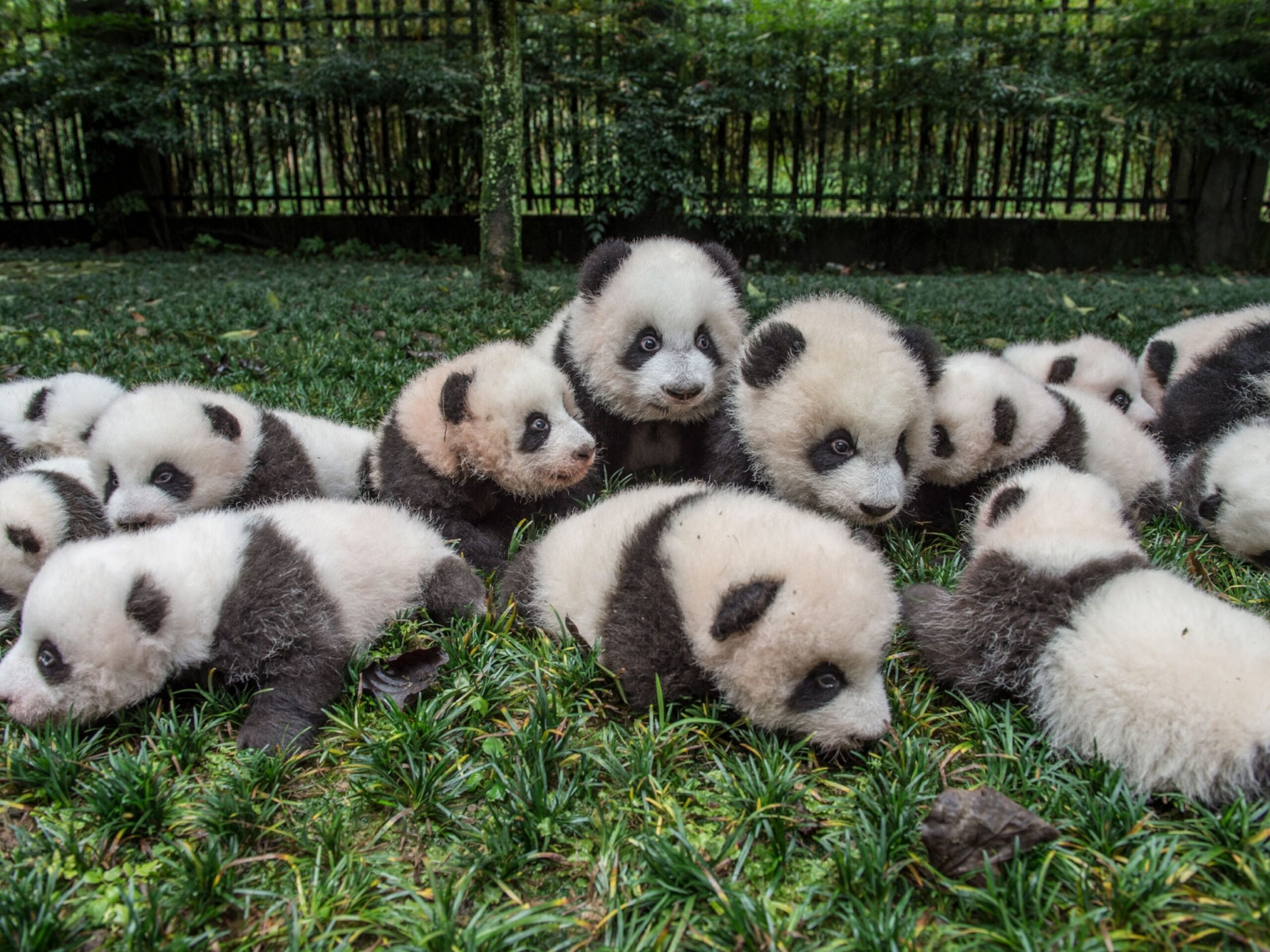
Caring for a newborn panda is a complex process that requires specialized knowledge and attention to ensure their survival and health. This blog post delves into the importance of newborn panda care, highlighting essential requirements such as nutrition and a safe environment. Wildlife experts share insights on monitoring a newborn panda’s diet and developmental milestones, emphasizing the crucial role of maternal care. Additionally, the article addresses potential risks in caring for these delicate creatures and explores how technology aids in panda care. Engaging with newborn pandas is also discussed, offering tips for positive interactions. Ultimately, the article underscores the vital aspects of caring for newborn pandas, combining expert insights with practical advice to enhance their well-being and support conservation efforts.
Understanding The Importance Of Newborn Panda Care
Providing optimal care for a newborn panda is critical for ensuring their survival and growth. The first few weeks of life are particularly vulnerable, as these cubs rely entirely on their mothers for warmth, nutrition, and security. The importance of wildlife care in these formative stages cannot be overstated, as it lays the groundwork for healthy development and adaptability. Wildlife caregivers work diligently to mimic the conditions a newborn panda would experience in the wild, ensuring they receive the best possible start in life.
Key Reasons For Protecting Newborn Pandas
- Fragility: Newborn pandas are incredibly delicate and require specialized care.
- Parental Dependence: Initially, cubs are entirely dependent on maternal care and must be protected.
- Species Survival: Caring for newborn pandas is vital for the conservation of this endangered species.
- Health Monitoring: Regular health assessments are crucial to identify any issues early.
- Behavioral Development: Proper care supports normal behavioral patterns, facilitating socialization.
As wildlife experts emphasize, safeguarding these young animals is a collective responsibility. Each effort contributes to the expanding knowledge on panda care and helps fill gaps in understanding about their developmental needs. Proper wildlife care encompasses not just physical health protections but also psychological well-being, which is essential for these cubs to thrive. Establishing programs that focus on educating the public and enhancing habitat conservation further supports newborn pandas.
“The future of pandas depends on the meticulous care we provide today for their young.”
In conclusion, understanding the significance of caring for a newborn panda extends beyond individual survival. It addresses broader ecological concerns, highlighting the interconnectedness of species and the importance of biodiversity. With effective wildlife care strategies in place, we can provide these adorable cubs with the best chance of leading healthy, enriching lives while also ensuring the ongoing survival of the species as a whole.
Essential Requirements For Newborn Panda Survival
The survival of a newborn panda critically depends on meeting their unique survival needs. In the early days of life, these adorable yet vulnerable creatures require specific care tailored to their physiological and environmental requirements. Understanding their natural instincts and the conditions in their panda habitat is crucial for ensuring they thrive.
Key Elements for Newborn Panda Survival
| Survival Needs | Description | Importance |
|---|---|---|
| Temperature Regulation | Newborn pandas cannot thermoregulate effectively, making warmth essential. | Prevents hypothermia and promotes healthy growth. |
| Nutrition | They need rich and appropriate milk, preferably maternal. | Supports rapid growth and development. |
| Safety | A secure environment free from stressors is critical. | Minimizes risks to health and emotional well-being. |
| Social Interaction | Exposure to maternal care and social bonding. | Fosters emotional and social development. |
Additionally, ensuring the newborn panda’s environment mimics its natural habitat as closely as possible is essential. This includes factors like appropriate vegetation and temperature control, which aid in their physiological and emotional health. Wildlife experts emphasize the need for a meticulous balance of these conditions as they contribute significantly to the panda’s overall well-being.
Steps To Ensure Survival
- Provide constant warmth and temperature control.
- Administer a high-quality, nutrient-rich milk formula when maternal feeding is unavailable.
- Establish a secure, low-stress environment for the panda.
- Facilitate regular interactions with the mother whenever possible.
- Monitor the panda’s health comprehensively, addressing any signs of distress promptly.
- Incorporate enrichment activities appropriate for their developmental stage as they grow.
Implementing these steps is essential not only for individual pandas but for the species as a whole in captivity. By prioritizing these requirements, wildlife experts can significantly enhance the chances of survival for newborn pandas, paving the way for successful conservation efforts.
Monitoring Nutrition For A Healthy Newborn Panda
Ensuring that a newborn panda receives proper nutrition is critical for its growth and overall health. Wildlife experts emphasize that the first few weeks of life are particularly crucial, as this period sets the stage for long-term development. Nutrition not only impacts physical growth but also plays a vital role in the establishment of a robust immune system, which is essential for the panda’s survival in the wild.
Nutritional Needs
- High-quality milk formula specifically designed for panda cubs
- Frequent feeding schedules to mimic natural nursing patterns
- Supplementation with vitamins and minerals as prescribed by wildlife veterinarians
- Introduction of bamboo slowly, as they mature
- Monitoring weight gain to ensure appropriate growth rates
- Observation for signs of digestive issues, indicating dietary adjustments
- Regular health check-ups to assess the overall nutritional status
Regularly monitoring a newborn panda’s diet allows caregivers to make necessary adjustments, ensuring that the cub’s unique healthcare needs are met. This includes tracking feeding times and quantities, as well as watching for any potential allergies or intolerances that may arise. Understanding the nutritional composition of both the milk and any supplementary food is essential to provide appropriate quantities for optimal health.
Furthermore, it is crucial to evaluate the nutritional resources provided to see how they align with the natural diet of adult pandas. The aim is to foster growth while preventing the risk of obesity or malnutrition, both of which pose significant health threats. By creating a tailored nutrition plan that includes both milk and plant-based foods, wildlife experts can help newborn pandas thrive in their formative months.
Creating A Safe Environment For Newborn Pandas
Establishing a safe environment for newborn pandas is paramount to their survival and development. The habitat must provide the necessary safety measures to protect these vulnerable creatures from potential threats. Wildlife experts emphasize that creating layered spaces within the habitat can mitigate risks from environmental factors and human interaction. Such environments not only enrich the newborn panda’s life but also allow caregivers to monitor them closely, ensuring their safety and well-being.
Environmental Considerations
- Secure enclosures to prevent predator access
- Temperature-controlled areas to maintain ideal climate
- Soft bedding materials to provide comfort and safety
- Natural barriers to promote a sense of security
- Ample space for movement to foster physical health
- Location of the habitat to minimize noise and disturbances
- Regular maintenance to eliminate hazards within the environment
By implementing these environmental considerations, caregivers can create a nurturing habitat that fosters the growth of newborn pandas. It is essential to regularly assess and adapt these safety measures as the newborn matures, ensuring they continue to thrive in their environment. “A well-protected habitat is the greatest gift we can offer to a newborn panda.” This commitment to safety will lay the foundation for a healthy and robust panda population for the future.
Developmental Milestones Of A Newborn Panda
Newborn pandas go through critical stages of development and growth during their early months. Understanding these milestones is essential for wildlife experts and caretakers alike. As we monitor the progress of a newborn panda, we can take tailored actions to support their unique needs and ensure their survival in a controlled environment. With the right care, each developmental phase can be optimized for the overall well-being of these adorable creatures.
Developmental Milestones of a Newborn Panda
| Milestone | Age (Months) | Description |
|---|---|---|
| Birth | 0 | Newborn pandas weigh approximately 100 to 200 grams and are extremely vulnerable. |
| Eyes Open | 1 | Pandas begin to open their eyes, marking a crucial point in their sensory development. |
| Teething Begins | 4 | Initial growth of baby teeth begins, indicating readiness for solid food. |
| Weaning | 6 | Panda cubs are gradually introduced to bamboo, transitioning from milk to solid food. |
To capture the essence of developmental milestones, we can categorize them into several vital areas. Each area reflects the continuous growth and adaptation of the newborn panda. This highlights the importance of monitoring their progress closely to ensure that nothing essential is overlooked.
Milestone Timeline
- Birth and immediate care
- Eyes open (1 month old)
- Initial social interactions (2 months old)
- First steps (3 months old)
- Teething and introduction to bamboo (4 months old)
- Weaning process (6 months old)
- Full exploration of habitat (12 months old)
Physical development in newborn pandas is critical as it sets the foundation for their growth. Initially, they are entirely dependent on their mothers, but around one month, they begin to exhibit mobility and physical strength. During these months, cubs also start playing, which is essential for building social skills and physical coordination.
Social Behavior
Social behavior in newborn pandas also evolves as they grow. Initially solitary, they gradually become accustomed to their littermates, learning how to interact and play. This stage is vital for developing their social skills and establishing bonds. As cubs approach weaning, they start mimicking their mother’s behaviors, which is an essential aspect of learning how to thrive in their environment.
Feeding Patterns
Feeding patterns in a newborn panda significantly change over time. In the early weeks, they rely solely on their mother’s milk, but as they transition into solid foods around four to six months, their diet begins to include bamboo and other plant materials. This gradual introduction supports their rapid growth and is pivotal to their health, laying the groundwork for their future dietary habits.
Expert Insights On Panda Maternal Care
The maternal role in the life of a newborn panda is crucial for its survival and development. Wildlife experts emphasize that mother pandas exhibit strong nurturing behaviors, which are vital for the early life stages of their cubs. These behaviors include proper feeding, grooming, and protecting the cubs from threats, all of which are essential for fostering a healthy environment for the growing panda. The bond established between the mother and her cubs forms the foundation for their social skills and confidence in the wild.
Expert Recommendations
- Ensure the mother panda has a quiet and secure den for birthing and raising her cubs.
- Monitor her health closely throughout gestation and after giving birth.
- Provide adequate nutrition to the mother, focusing on a well-balanced diet rich in nutrients.
- Limit human interaction to reduce stress for both the mother and newborn.
- Utilize infrared cameras to track the maternal behaviors without disrupting the natural environment.
- Educate the public on the challenges faced by newborn pandas to foster conservation efforts.
- Collaborate with veterinarians specializing in wildlife care for periodic health check-ups.
In their natural habitat, cubs are often born helpless, relying entirely on their mothers for survival. This dependency highlights the significance of the maternal role, which not only provides physical sustenance but also emotional support through physical contact and warmth. According to wildlife experts, adequate maternal care can significantly impact the cub’s future ability to thrive in the wild, thus reinforcing the critical need for dedicated observation and assistance during the formative weeks of a newborn panda‘s life.
Risks In Caring For A Newborn Panda
Caring for a newborn panda involves a variety of challenges, which can translate into several risks for both the cub and its caretakers. Given their delicate nature, these little creatures require specialized attention right from birth. Any oversight can lead to serious health dangers that could jeopardize their survival. Understanding these risks is crucial for anyone involved in panda care, as it helps them adopt appropriate safety measures and provide better care.
Potential Risks
- Inadequate temperature regulation, leading to hypothermia.
- Improper nutrition, which can cause malnourishment.
- Stress due to environmental changes or handling.
- Exposure to diseases from other animals.
- Neglect of maternal care, resulting in maternal abandonment.
- Injuries from falls or rough handling during care.
- Limited socialization, which can affect behavioral development.
Each of these risks can severely impact a newborn panda’s health and development. It is essential for caretakers to be vigilant and proactive. For example, steps must be taken to maintain optimal living conditions, including stable temperatures and safe environments free from hazards. Furthermore, educating and training staff to recognize signs of distress or illness in newborn pandas is vital in mitigating health dangers.
“A successful care regimen is not only about addressing immediate needs, but also about creating a nurturing environment that encourages healthy growth and development.” By understanding the risks, caretakers can ensure that newborn pandas are given the best possible chance at a healthy, thriving life. Awareness and preparedness are key in overcoming these challenges and securing a brighter future for these endangered species.
The Role Of Technology In Panda Care
The application of technology in panda care has revolutionized the ways wildlife experts monitor and support the development of newborn pandas. Advanced tools and methods enable caregivers to ensure that these vulnerable creatures receive optimal care during their early stages of life. Utilizing innovative solutions, wildlife professionals can successfully observe the health and growth of these adorable animals, ensuring they thrive in their natural habitat or in conservation facilities.
One of the key components of panda care is effective monitoring. This involves tracking the physical and behavioral development of newborn pandas, which can be accomplished through the use of high-resolution cameras, wearables, and specialized sensors. These technologies provide real-time data to caregivers, allowing them to make informed decisions about nutrition, habitat, and intervention strategies when necessary. Such data-driven approaches are essential in enhancing the survival rate of these endangered species.
| Technology Type | Purpose | Benefits |
|---|---|---|
| Cameras | Monitor behavior and interaction | Provides continuous observation without disturbance |
| Wearable Sensors | Track health metrics (e.g., heart rate, activity) | Allows for immediate health assessments |
| Data Analysis Software | Analyze growth metrics over time | Identifies trends and necessary adjustments in care |
| Environmental Sensors | Monitor habitat conditions (e.g., temperature, humidity) | Ensures suitable living conditions for pandas |
In addition to monitoring tools, there are various notable technological advancements that have significantly influenced the care of newborn pandas. These innovations empower caregivers to provide better support and increase the likelihood of successful rearing. Wildlife organizations continuously explore new technologies that can improve both care practices and outcomes for these animals.
Technological Advancements
- Remote monitoring systems for 24/7 observation
- Artificial intelligence for behavior analysis
- Mobile applications for tracking feeding schedules
- Automated feeding systems for nutrition management
- Genetic testing technologies for health screenings
- Climate control systems for optimal living conditions
As technology continues to evolve, the field of panda care will likely witness even more effective and efficient solutions to support the well-being of newborn pandas. By leveraging technological innovations, caregivers and wildlife experts can significantly enhance the life chances of these precious animals, ensuring their survival for future generations. A committed focus on science and technology is paramount as we strive to maintain the delicate balance between human intervention and wildlife conservation.
Tips For Engagement With Newborn Pandas
Engaging with newborn pandas is essential for their social and cognitive development. This period is crucial as newborn pandas begin to learn behaviors that will impact their future interactions. Understanding the right tactics for engagement can help caregivers establish a nurturing environment that fosters growth.
Engagement Strategies
- Utilize gentle, soothing voices to comfort the newborn panda.
- Incorporate interactive toys that stimulate exploration and play.
- Establish a consistent routine to create a sense of security and predictability.
- Encourage shallow water play to introduce elements of fun while enhancing physical coordination.
- Limit interactions to short durations, allowing the panda to learn through observation as well.
- Involve experienced keepers to demonstrate effective engagement techniques.
- Monitor the newborn’s responses to various stimuli to tailor engagement approaches accordingly.
Behavioral cues from newborn pandas can offer valuable insights into their emotional and physical well-being. Caregivers should pay close attention to how the pandas respond during engagement activities, as these responses can vary significantly among individuals. By identifying preferences and tolerances, caregivers can adjust their techniques to enhance the interaction process.
For optimal engagement, it is vital to build trust through gradual introductions and patience.
Creating a diverse array of engagement opportunities, such as structured playtime and sensory-rich environments, can greatly contribute to the overall care of newborn pandas. By focusing on these strategies, caregivers will not only foster an enriching environment but will also pave the way for happy, healthy adult pandas. Engaging effectively with these little giants helps promote their natural behaviors and ensures their successful integration into their habitat.
Concluding Insights On Caring For Newborn Pandas
In summary, the journey of caring for a newborn panda is both challenging and rewarding. Wildlife experts emphasize that understanding the unique needs of a panda cub is crucial for their survival and development. Each stage in their early life requires dedicated attention and specific care strategies, which play a vital role in ensuring a healthy and thriving animal. Among the actionable steps, ensuring a warm environment and providing proper nutrition are paramount to their initial growth.
Key Takeaways
- Prioritize maternal bonding: This is essential for the emotional health of the cub.
- Monitor nutritional intake: A balanced diet is crucial for their growth.
- Establish a safe habitat: Create an environment free from stressors.
- Implement regular check-ups: Routine health monitoring is critical.
- Utilize technology: Innovative tools can aid in cub development.
- Educate staff: Ongoing training enhances care techniques.
- Engage the public: Awareness and support can foster conservation efforts.
As we navigate through the intricacies of caring for a newborn panda, it becomes clear that teamwork, education, and continuous learning from experts are vital. Wildlife conservation is an ongoing journey, and understanding the needs of a newborn panda can significantly impact their chance of survival. By following these outlined strategies and maintaining a strong focus on both individual care and communal knowledge, we increase the likelihood of fostering a new generation of healthy pandas.
Frequently Asked Questions
Why is caring for a newborn panda essential for its survival?
Caring for a newborn panda is crucial because they are highly vulnerable during their early days. Proper care ensures they receive the necessary warmth, nutrition, and bonding with their mother, which are vital for their growth and development.
What are the essential requirements for the survival of a newborn panda?
Newborn pandas require a warm environment, adequate nutrition through their mother’s milk or formula, and continuous monitoring to track their health and development. They also benefit from a quiet and safe space to minimize stress.
How can caretakers monitor the nutrition of a newborn panda?
Caretakers can monitor nutrition by ensuring the newborn panda consistently receives its mother’s milk or an appropriate formula. Regular weight checks, observing feeding behaviors, and consulting with veterinary nutritionists are important practices.
What steps should be taken to create a safe environment for newborn pandas?
Creating a safe environment for newborn pandas involves ensuring that their habitat is secure from predators, maintaining appropriate temperature controls, providing clean bedding, and regularly sanitizing the area to prevent the spread of disease.
What developmental milestones should caretakers expect to see in a newborn panda?
Caretakers should anticipate milestones such as opening their eyes around 6-8 weeks, beginning to crawl at a few weeks, and starting to eat solid food around 6 months. Each milestone signifies vital growth and adaptation to their surroundings.
What expert insights exist regarding maternal care for pandas?
Experts emphasize the importance of maternal bonding, where the mother panda nurses and nurtures her cub. This relationship is key to the cub’s emotional development and helps them learn essential survival skills.
What are some risks associated with caring for a newborn panda?
Risks include inadequate nutrition, maternal neglect, environmental hazards, and illnesses. Caretakers must be vigilant to address these risks promptly and ensure the cub’s health and well-being.
How does technology assist in the care of newborn pandas?
Technology plays a pivotal role through the use of monitoring systems, temperature controls, and health tracking devices. Cameras allow caretakers to observe mother-cub interactions without disturbance, ensuring the cub’s safety.