
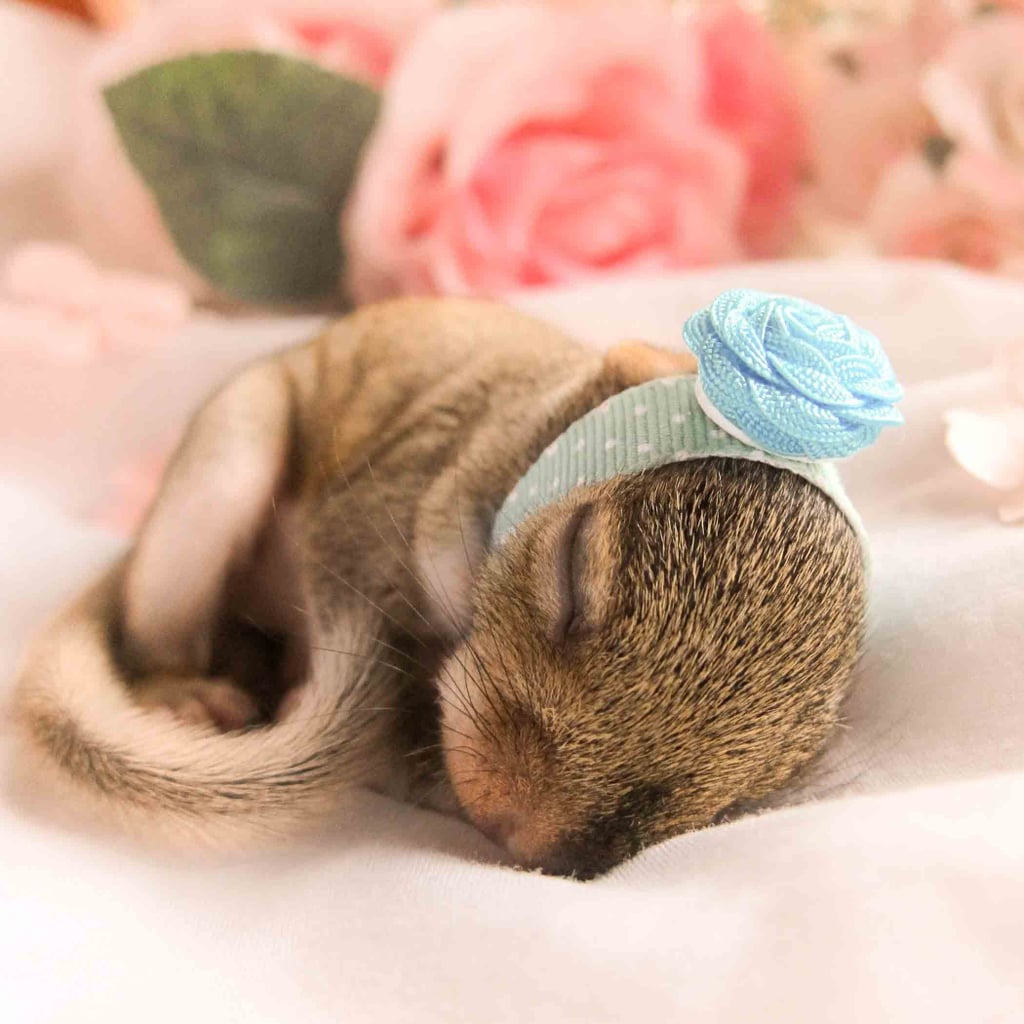
Caring for a newborn squirrel requires knowledge and dedication. This blog post covers essential topics such as understanding the basics of squirrel care, necessary supplies, and detailed feeding guidelines. It emphasizes creating a safe habitat to support a healthy environment for the newborn squirrel. Readers will learn to recognize signs of a healthy squirrel and common challenges faced in their care. Additionally, tips for socializing the squirrel and advice on when to seek professional help are provided. The post highlights the importance of tracking the progress of the squirrel newborn to ensure it thrives. In conclusion, readers gain valuable insights on responsibly caring for a newborn squirrel, ensuring its well-being and successful development.
Understanding The Basics Of Caring For A Newborn Squirrel
Caring for a newborn squirrel can be a challenging yet rewarding experience. These tiny creatures, usually weighing less than an ounce at birth, require meticulous attention to ensure their survival. It’s crucial to understand their specific needs to provide them with the best care possible. A proper environment, nutrition, and handling techniques are vital parts of nurturing a healthy squirrel newborn.
- Temperature regulation: Newborn squirrels are unable to regulate their body temperature, so keeping them warm is essential.
- Feeding schedule: Feed your squirrel newborn every 2-3 hours, as their small stomach requires frequent nourishment.
- Hydration: Ensure that the squirrel receives proper hydration, as they may become dehydrated quickly.
- Handling techniques: Handle your squirrel newborn gently to minimize stress and ensure comfort.
- Social interaction: Engage with your squirrel to develop trust and a bond, while being careful not to overwhelm them.
- Monitoring health: Keep a close eye on their growth, behavior, and any signs of illness.
To thrive, a squirrel newborn not only relies on physical care but also needs a nurturing environment. This involves creating a safe and comfortable habitat that mimics their natural surroundings. Utilize soft bedding and ensure the space is secure from potential threats such as pets or loud noises. Remember, your approach during these early days will shape the squirrel’s future behavior and social skills.
When caring for a newborn squirrel, it’s important to remember that patience and commitment are key. Each squirrel is unique, and observing their individual needs can lead to a more fulfilling experience for both the caregiver and the animal.
A newborn squirrel’s well-being depends significantly on the attention and effort you put into its care. By following the outlined recommendations, you will create an environment that not only fosters the health of your squirrel newborn but also enhances your relationship with them. As they grow, nurturing them with love, care, and knowledge will be your greatest asset in becoming a responsible caregiver.
Essential Supplies For Your Newborn Squirrel’s Needs
Proper preparation is key to ensuring a healthy and safe environment for your newborn squirrel. Every detail, from nutrition to comfort, should be considered. The right supplies will not only facilitate care but also enhance your newborn squirrel’s well-being. It is important to gather essential items that cater to their unique needs in order to nurture them effectively.
| Supplies | Purpose | Notes |
|---|---|---|
| Milk Replacement Formula | Provides essential nutrients | Look for specific squirrel formulas |
| Feeding Bottle | Facilitates accurate feeding | Use soft, small nipple for young squirrels |
| Heating Pad | Keeps the squirrel warm | Ensure it’s on low heat |
| Small Clothes or Towels | Provides a comforting nest | Use soft, clean materials |
In addition to the basic supplies, consider acquiring items that ensure proper hygiene and comfort for your newborn squirrel. Regular cleaning and maintenance of these supplies are crucial in sustaining a healthy environment. Investing in quality products can make a significant difference in your caring routine, helping your squirrel thrive during their early stages of life.
Key Supplies Needed:
- Milk Replacement Formula: Specially formulated for baby squirrels.
- Feeding Bottle: A small bottle with a soft nipple.
- Heating Pad: To maintain warmth, crucial for newborns.
- Small Clothes or Towels: For bedding and comfort.
- Feeding Syringe: To assist with hand-feeding if necessary.
- Small Scale: To monitor weight gain.
- Cleaning Supplies: For maintaining hygiene in their environment.
Feeding Guidelines: What To Feed A Squirrel Newborn
When it comes to caring for a squirrel newborn, proper nutrition is crucial for its development and well-being. A squirrel newborn relies heavily on its mother’s milk, which is rich in nutrients, but in cases where the mother is absent, it’s essential to know how to substitute that nutrition effectively. The first step in feeding a squirrel newborn is to choose the right formula, as cow’s milk can be harmful to these delicate creatures. Instead, look for commercially available formula brands specifically designed for mammals, such as kitten or puppy milk replacers.
It’s also important to maintain appropriate temperatures when feeding a squirrel newborn. Being small and vulnerable, they require warmth to digest food effectively. Always make sure to warm the formula to *body temperature* before feeding. Use a feeding syringe or a small, soft nursing bottle to ensure the squirrel is comfortable and able to feed properly. When you introduce the feeding method, do so gradually and gently, allowing the little one to suckle naturally.
Feeding Steps:
- Choose a mammal milk replacer, avoiding cow’s milk.
- Warm the formula to approximately body temperature.
- Use a feeding syringe or small nursing bottle.
- Offer small amounts at first, allowing the newborn to suckle.
- Feed every 2-4 hours around the clock for the first few weeks.
- Monitor for dehydration by checking skin elasticity and mouth moisture.
- Transition to solid foods gradually as the squirrel grows.
After the initial feeding period, it’s still vital to observe the squirrel newborn closely. Signs of healthy feeding include consistent weight gain and an alert demeanor. As the squirrel matures, you will gradually introduce solid foods such as sliced fruits, vegetables, and high-quality squirrel pellets. Remember, it’s essential to adapt the diet based on the rabbit’s growth stages. Each phase of development will require different nutritional needs, so ongoing adjustments will be necessary.
Lastly, always consult a veterinarian if you have any concerns regarding your squirrel newborn’s health or diet. Veterinary guidance is indispensable in identifying the specific needs of a growing squirrel and ensuring that proper care is met. By following these feeding guidelines, you’re not only nourishing your squirrel newborn but *setting the foundation for a healthy and thriving life.*
Creating A Safe Habitat For Your Newborn Squirrel
Creating a safe habitat for your newborn squirrel is essential to ensure its health and well-being. This habitat should provide a comfortable and secure environment that mimics its natural surroundings, helping the young squirrel to adapt and thrive. When setting up a space for your newborn squirrel, aim to minimize stressors and give it a sense of security.
Habitat Requirements:
- A spacious enclosure: Choose a cage that allows for climbing and moving around freely.
- Temperature control: Keep the habitat warm, ideally between 75°F and 80°F, using a heat pad or lamp if necessary.
- Bedding material: Use soft bedding such as shredded paper or cloth to provide comfort and warmth.
- Hideouts: Include small boxes or tubes where the newborn squirrel can nest and feel secure.
- Separation from pets: Ensure the habitat is located away from other pets to reduce stress and potential threats.
- Toys and enrichment: Add chew toys and climbing structures to stimulate the newborn squirrel’s natural behaviors.
- Regular cleaning: Maintain hygiene by cleaning the habitat regularly to prevent illness.
Once you have set up the habitat, monitor it closely for any changes that may impact your newborn squirrel’s health. Ample ventilation is also important to avoid lingering odors and maintain fresh air. Make sure the environment is safe by removing any harmful items or small objects that the squirrel could ingest.
Overall, a dedicated and well-thought-out habitat will greatly contribute to the positive development of your newborn squirrel. Remember that its habitat is not just a physical space, but a crucial element in ensuring its safety and comfort as it begins its journey of growth and learning. Providing the right environment will encourage healthy habits and behaviors, setting the foundation for a happy and thriving squirrel.
Signs That Indicate A Healthy Squirrel Newborn
Identifying the signs of a healthy squirrel newborn is crucial for those who are nurturing these small creatures. A squirrel newborn can be quite fragile, and understanding what constitutes a healthy state can aid in ensuring its survival and thriving. Key indicators to observe include their physical appearance, behavior, and responsiveness. A healthy squirrel newborn will typically exhibit a lively demeanor, with a keen interest in its surroundings and a proper feeding routine.
Health Indicators:
- Warm body temperature: A healthy squirrel newborn should feel warm to the touch. Coldness can indicate a serious health issue.
- Active and responsive: Look for periods of alertness where the squirrel is awake and curious about its environment.
- Good weight gain: A steady weight increase is a positive sign. Monitor their weight regularly.
- No signs of lethargy: The squirrel should not appear excessively tired or weak.
- Clear eyes: Bright, clear eyes indicate a healthy state, while cloudiness or discharge may signal a problem.
- Normal breathing: Observe the breathing pattern; it should be steady and not labored.
In addition to these indicators, always check for any unusual behaviors or physical abnormalities. As you observe these signs in your squirrel newborn,
you will gain confidence in your care process and improve the chances of a successful nurturing experience.
Remember that each squirrel may have individual traits and temperaments, so it’s important to stay attuned to their specific needs as they grow and develop.
Common Challenges In Caring For A Newborn Squirrel
Caring for a newborn squirrel can be a rewarding yet daunting experience. While these little creatures can quickly capture your heart, they also come with a host of challenges that can be overwhelming for first-time caregivers. It’s crucial to be well-informed about the common issues you might encounter to provide the best possible care for your newborn squirrel.
Understanding the needs of a newborn squirrel is vital. These tiny animals require specialized care that goes beyond simply feeding them and keeping them warm. Here are some critical aspects to consider:
Common Challenges:
- Feeding difficulties and finding the right formula.
- Maintaining a proper temperature for the newborn squirrel.
- Avoiding dehydration, especially during the first few weeks.
- Identifying signs of stress or illness.
- Creating an inappropriate habitat environment.
- Addressing potential behavioral issues.
Many of these challenges can be mitigated with proper knowledge, patience, and preparation. One of the most crucial factors in your care routine will be the feeding regimen for your newborn squirrel. To help you navigate these challenges, we’ve compiled a guide that outlines key aspects of caring for these delicate creatures.
| Challenge | Solution | Tips |
|---|---|---|
| Feeding difficulties | Use a specialized formula designed for squirrels. | Consult with a vet for recommendations. |
| Temperature regulation | Use a heating pad set to low. | Ensure the squirrel has a cozy nest. |
| Dehydration | Monitor for signs of hydration issues. | Offer fluids using a syringe if necessary. |
| Stress signs | Maintain a quiet and calm environment. | Handle them gently to build trust. |
Feeding Issues
Feeding a newborn squirrel can be one of the most significant challenges faced by caregivers. Ideally, you’ll need a formula that mimics the mother’s milk, which ensures the newborn gets all the necessary nutrients. It’s crucial to consult a vet for recommendations to avoid common pitfalls related to feeding.
Health Risks
Moreover, newborn squirrels are particularly vulnerable to health risks. Common problems include the risk of infections and dehydration, which can escalate rapidly. As a caregiver, it’s essential to watch for any signs of illness or stress in your newborn squirrel, as early detection can make a significant difference in treatment outcomes.
Tips For Socializing Your Squirrel Newborn
Socializing your squirrel newborn is essential for their development and helps them become friendly and well-adjusted pets. Early interaction with humans can prevent shyness and fearfulness later in life. Start the socialization process gently, ensuring that your newborn feels safe and comfortable in their new environment. It is important to remember that each squirrel is unique, and some may take longer to adapt than others.
Socialization Tips:
- Approach Slowly: When interacting with your squirrel newborn, approach them slowly to avoid startling them.
- Use Gentle Sounds: Talk softly to your squirrel to create a calming atmosphere.
- Hand Feeding: Offer small treats by hand to build a trusting relationship.
- Frequent Interaction: Spend time with your squirrel daily, gradually increasing the duration.
- Introduce Toys: Provide a variety of safe toys to encourage play and exploration.
- Limit Stressful Situations: Avoid loud noises or fast movements during the early stages of socialization.
- Be Patient: Allow your squirrel newborn to set the pace for interactions; patience is key.
As your squirrel newborn becomes more comfortable, you can gradually increase the complexity of interactions. Engaging them in playtime or allowing them to explore outside their habitat under supervision can strengthen your bond. Always be mindful of their body language, as it will guide you on how they are feeling about the socialization process. Respect their boundaries to foster a sense of safety and security.
Ultimately, the goal of socializing your squirrel newborn is to establish a strong, positive connection. A well-socialized squirrel is likely to become a loving and dynamic companion. Through consistent and mindful interactions, you will nurture a trusting relationship that will benefit both you and your squirrel for years to come. Remember to celebrate small milestones in their socialization journey, as every positive experience contributes to a well-adjusted pet.
When To Seek Professional Help For A Newborn Squirrel
Caring for a newborn squirrel can be both rewarding and challenging. However, there may come a time when you realize that your efforts are not enough, and seeking professional help becomes necessary. It is crucial to know the signs that indicate when your newborn squirrel requires veterinary assistance. Observing their behavior and physical condition closely will enable you to act promptly in ensuring their health and safety.
Steps To Take:
- Assess the Situation: Evaluate the physical state and behavior of your newborn squirrel to identify any alarming signs.
- Check for Common Symptoms: Look for signs such as lethargy, difficulty breathing, or refusal to eat.
- Reach Out to a Wildlife Rehabilitation Center: If you suspect something is wrong, it’s important to contact a local wildlife rehabber or vet experienced with small mammals.
- Monitor Their Temperature: Ensure that your squirrel is warm enough; hypothermia can be fatal.
- Provide Clear Evidence: Document your observations and any symptoms you notice to give the professionals a comprehensive understanding of the situation.
- Follow Professional Guidance: Listen to the advice given by experienced wildlife care experts and comply with their instructions.
- Be Prepared for Transport: If advised to take the squirrel to a vet, ensure you have a safe and comfortable means of transportation.
Remember, the health of a newborn squirrel can change rapidly. Therefore, being attentive and taking immediate action is paramount.
Ignoring subtle signs may lead to serious consequences, and a professional can provide the necessary care that you might not be able to.
It’s essential to prioritize their well-being and seek help when needed. Understanding when to reach out for assistance ensures that your newborn squirrel receives the best possible chance for recovery and a healthy future.
Lastly, as you navigate the complexities of caring for a newborn squirrel, keep in mind that help is available. Researching qualified professionals and knowing how to communicate effectively about your squirrel’s needs will benefit both you and your pet. Emphasizing the need for veterinary care in situations that seem dire cannot be overstated, as timely intervention is critical for the survival of your newborn squirrel.
Engagement: Tracking Progress Of Your Squirrel Newborn
Understanding the growth and development of your squirrel newborn is essential to providing the best care possible. Establishing a tracking system will allow you to monitor your pet’s progress and ensure they are developing healthily. Documenting your observations not only helps you identify any potential concerns but also enhances your bond with this adorable creature. By tracking different aspects of your squirrel newborn’s life, you can adjust their care regimen as necessary and celebrate their milestones along the way.
One effective way to diligently monitor the health and progress of your squirrel newborn is to maintain a daily care journal. This journal should include details such as feeding times, dietary intake, weight, and behavioral changes. Keeping detailed records can provide valuable insights into their growth trajectory and alert you to any irregularities that may warrant further attention. Also, it can serve as a helpful reference for your veterinarian if any health issues arise.
Tracking Methods:
- Daily weight measurements
- Feeding schedule log
- Record of behavioral changes
- Health condition notes (e.g., stool quality)
- Socialization interactions
- Milestone marker entries (like first climb)
- Photographic progress documentation
Alongside your daily journal, it’s crucial to conduct a monthly health check for your squirrel newborn. These comprehensive evaluations should include a physical examination, checking for any signs of infections or abnormalities, and ensuring they are developing socially and physically as expected. Monitoring their dental growth and coat condition can also provide insights into their overall health. Regular monthly checks can help you catch possible issues early, leading to a more effective response and better care for your squirrel newborn.
This tracking and engagement strategy not only aids in the health of your squirrel newborn but also fosters a deeper connection between you and your new furry friend.
Final Thoughts On Caring For A Newborn Squirrel
Caring for a newborn squirrel can be a rewarding yet challenging experience. It’s essential to remember that these creatures rely heavily on us for their survival and well-being. To ensure your newborn squirrel grows into a healthy adult, it’s crucial to provide a nurturing environment, proper nutrition, and regular social interaction. Each aspect of their care contributes to their development, so take your responsibilities seriously and stay informed about their needs for the best possible outcomes.
Key Takeaways:
- Understand the basic needs of a newborn squirrel, including temperature regulation and feeding schedules.
- Gather essential supplies to ensure a comfortable living environment.
- Follow specific feeding guidelines to provide the right nutrition.
- Create a safe habitat that mimics their natural environment.
- Be aware of signs indicating the health status of your newborn squirrel.
- Seek professional help when necessary for proper health assessments.
- Track their progress and adapt care methods based on their growth.
Ultimately, patience and commitment are key when caring for a newborn squirrel, as they need time to adjust and grow. Your efforts will pay off as you see them thrive.
Frequently Asked Questions
What is the first step in caring for a newborn squirrel?
The first step is to ensure that the newborn squirrel is warm and safe. Use a heating pad on low or a warm water bottle wrapped in a towel to provide gentle warmth, as newborn squirrels are unable to regulate their body temperature.
What supplies do I need for my newborn squirrel?
Essential supplies include a suitable feeding formula specifically designed for squirrels, feeding syringes or bottles, a soft, warm blanket, a small habitat box, and bedding material such as soft towels or fleece.
How often should I feed a squirrel newborn?
A squirrel newborn should typically be fed every 2-3 hours, including nighttime, depending on its age. As they grow, you can gradually increase the feeding intervals.
What should be included in the habitat for a newborn squirrel?
A safe habitat should include a warm and cozy space, bedding material for comfort, and low-stress environments. Avoid direct sunlight and loud noises to minimize stress.
What are some signs of a healthy newborn squirrel?
A healthy newborn squirrel will typically be warm, alert, have a healthy weight for its size, and display normal breathing patterns. Their fur should be soft, and they should have a round belly after feeding.
What are common issues I may face while caring for a newborn squirrel?
Common challenges include difficulty feeding, dehydration, and keeping the squirrel warm. It’s important to monitor their health closely and adjust care as needed.
How can I socialize my squirrel newborn?
To socialize your squirrel newborn, handle them gently and frequently, talk to them softly, and allow them to explore your hands and arms. Gradually introduce new people and environments as they become more comfortable.
When is it necessary to seek professional help for a newborn squirrel?
You should seek professional help if your newborn squirrel refuses to eat, shows signs of injury or illness, or if you are unsure about its care needs. A veterinarian with experience in wildlife rehabilitation can offer guidance.