
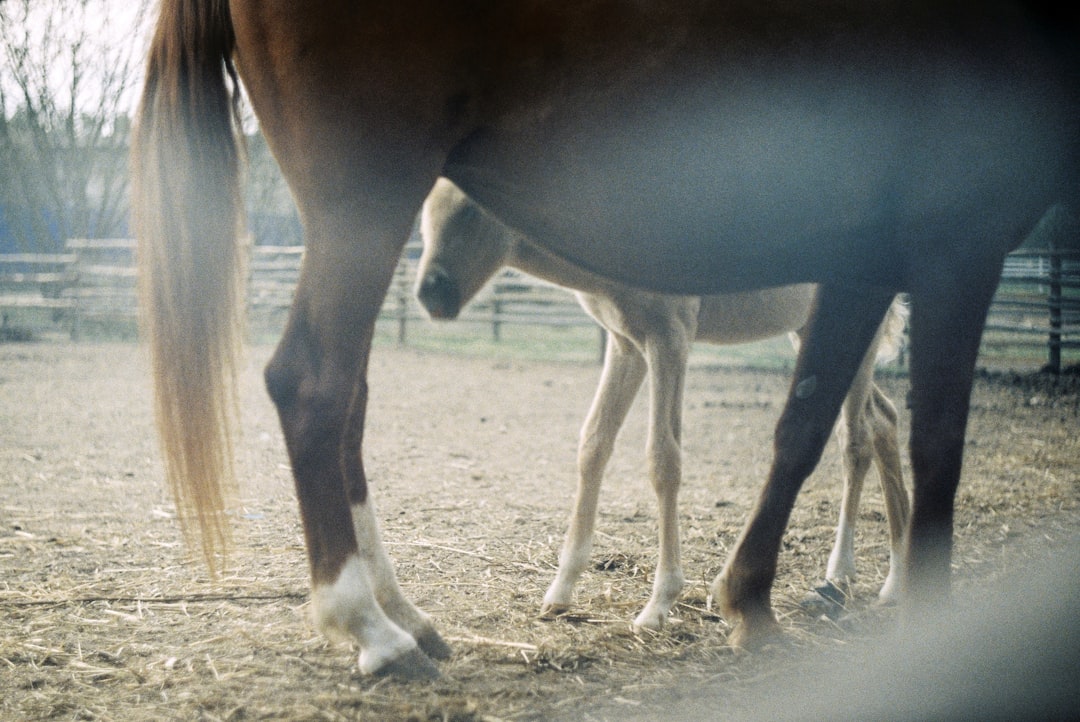
The article highlights the crucial role of healthy newborn horse hooves in ensuring overall well-being. It begins by emphasizing the significance of hoof health and discusses essential aspects to understand regarding newborn horse hooves. Readers can learn to identify signs of both healthy and unhealthy hooves, and explore common issues that arise, along with prevention strategies. The post provides practical steps for caring for newborn horse hooves, stressing the importance of nutrition on hoof health. Additionally, it covers recognizing hoof problems and underscores the connection between proper hoof care and the horse’s overall health. The article ends with helpful tips for maintaining healthy newborn horse hooves, emphasizing that attentive care during this critical stage contributes significantly to their long-term well-being.
Understanding The Importance Of Healthy Newborn Horse Hooves
Ensuring the health of newborn horse hooves is a crucial part of equine care that can significantly impact a horse’s overall well-being. Healthy hooves not only support proper movement but also play a vital role in a young horse’s ability to grow and thrive. The early stages of a horse’s life set the stage for future athleticism and structural integrity, making hoof health a priority that cannot be overlooked.
Key Benefits Of Healthy Hooves
- Improved Mobility: Healthy newborn horse hooves facilitate better movement and agility.
- Reduction of Injuries: Strong hooves decrease the risk of injuries during physical activity.
- Enhanced Growth: Proper hoof health supports overall growth and development in young horses.
- Preventative Care: Early attention to hoof health can prevent long-term issues.
- Increased Lifespan: Healthier hooves contribute to a longer and more active life.
- Better Performance: Athletic performance is enhanced with sound hooves.
Additionally, evaluating the condition of newborn horse hooves allows caretakers to identify potential problems during the early stages of development. Providing proper care and attention to these hooves not only supports the physical health of the horse but also builds a foundation for trust and bonding between the horse and its handler. In essence, a horse that is comfortable and free from hoof pain will exhibit better behaviors and performance throughout its life.
What You Need To Know About Newborn Horse Hooves
Newborn horse hooves play a crucial role in the overall health and development of young equines. At birth, these hooves are still developing, and their condition can significantly influence the horse’s future mobility and well-being. Proper care and attention during this early stage are essential, as any neglect can lead to complications later in life. Understanding the specific needs of newborn horse hooves helps horse owners provide the necessary support to ensure healthy growth.
Essential Facts To Consider
- Newborn horse hooves are soft and pliable, making them more susceptible to injury.
- Regular monitoring of hoof shape and growth is important for early intervention.
- Proper nutrition plays a vital role in hoof strength and integrity.
- Routine hoof care, including trimming and cleaning, is essential to prevent issues.
- Environmental factors can impact hoof health, so provide a clean and safe area.
- Signs of hoof problems should be addressed immediately to prevent further complications.
It is crucial to provide a safe and clean environment for the newborn. This includes ensuring that their living area is free from harmful debris and maintaining proper sanitation. Additionally, newborn horses should not only be given access to quality nutrition but also appropriate shelter to protect their delicate hooves from excess moisture and other potentially damaging elements. Keeping an eye on their hoof growth and shape allows owners to catch any irregularities early on.
Remember: Healthy hooves are foundational to a horse’s overall health and performance.
In summary, understanding the importance of newborn horse hooves involves recognizing their vulnerabilities and the necessary steps to promote their health. Early intervention and proactive care can lead to healthier and more resilient horses. By prioritizing hoof care, owners can help ensure their equine companions grow strong and thrive throughout their lives.
Signs Of Healthy And Unhealthy Hooves
Understanding the signs of healthy and unhealthy newborn horse hooves is vital for ensuring a strong start in life. Healthy hooves can greatly influence a horse’s overall well-being, while poor hoof condition can lead to various complications. Newborn horses, particularly, are still developing their hoof structure, making it critical to monitor their hooves closely.
When assessing whether a newborn horse’s hooves are healthy, focus on the following characteristics: the hooves should be firm and resilient, exhibiting a smooth shape without cracks or irregularities. Additionally, the frog (the V-shaped structure on the underside of the hoof) should be well-defined, aiding in shock absorption and overall hoof health. Pay attention to any signs of swelling, heat, or an unusual odor, which might indicate potential problems.
Indicators Of Good Health
- Consistent, even growth of hoof walls
- Absence of cracks or splits
- Well-defined frog and sole
- Normal hoof color (depending on the breed)
- No excessive heat or swelling
- Good flexibility without being too soft
Comparison of Signs of Healthy and Unhealthy Hooves
| Characteristic | Healthy Hooves | Unhealthy Hooves |
|---|---|---|
| Hoof Shape | Smooth and uniform | Irregularly shaped or misshapen |
| Growth Rate | Consistent growth | Inconsistent or stunted growth |
| Frog Condition | Uplifted and defined | Flat or poorly developed |
| Signs of Pain | No signs of limping or discomfort | Limping, reluctance to move |
Conversely, unhealthy hooves might exhibit symptoms such as excessive flare, brittleness, or even fungal infections, which can impair a horse’s mobility and overall health. Recognizing these indicators early allows for timely intervention, which can make a significant difference in treatment outcomes. Seeking advice from a qualified farrier or veterinarian is highly recommended if any irregularities are observed.
Common Issues For Newborn Horse Hooves And Prevention
When it comes to newborn horse hooves, several common issues may arise during their development. These problems can range from structural complications to environmental factors that negatively impact hoof health. It is crucial for owners and caretakers to be well-informed about these potential issues to implement effective prevention strategies. Early detection and intervention can greatly enhance the overall health and well-being of the foal.
Awareness of the possible complications lets horse owners take proactive measures. Proper hoof care is an integral part of a horse’s overall health, particularly during the early stages of life. Regular monitoring of hoof growth and the condition of the hooves can help in identifying abnormalities that may require veterinary intervention. Keeping a keen eye on the newborns allows caretakers to ensure that hoof-related issues are managed promptly and effectively.
| Common Issue | Symptoms | Recommended Action |
|---|---|---|
| Clubfoot | Abnormal hoof shape, difficulty standing | Consult a veterinarian for corrective trimming |
| Flat Feet | Weak hoof structure, limping | Implement supportive hoof care practices |
| Thrush | Foul odor, dark discharge from the frog | Maintain hoof cleanliness and apply antiseptic |
| Laminitis | Severe lameness, heat in the hooves | Immediate veterinary attention and dietary adjustments |
When discussing newborn horse hooves, it’s important to recognize the factors that may contribute to hoof problems from the outset. Regular veterinary check-ups and hoof assessments play an essential role in prevention. By practicing vigilant hoof care, you can catch problems early and maintain the healthy growth of your foal’s hooves. Additionally, understanding the various influences that come into play can aid in creating an optimal environment for hoof health and growth.
Preventive Measures
- Conduct regular hoof inspections to identify issues early.
- Ensure appropriate nutrition for the mare during pregnancy.
- Create a clean living environment to minimize hoof infections.
- Provide proper hoof trimming as needed.
- Consider the genetic history of the foal and its parents.
- Implement regular veterinary check-ups for early detection.
Inbreeding Effects
Inbreeding can be a significant factor in the health of newborn horse hooves. While it might be tempting to breed horses with a high pedigree, this practice may lead to genetic conditions that negatively affect hoof health. Traits associated with inbreeding can manifest as structural hoof issues, leading to long-term complications. Owners should be wary of inbreeding and consider genetic diversity to promote robust hoof development.
Environmental Influences
Environmental influences also play a vital role in the condition of newborn horse hooves. Confinement in unsanitary conditions or exposure to extreme weather can lead to various hoof problems. It is important to keep the foals in an environment that promotes healthy hoof growth, such as well-drained paddocks and clean stalls. By prioritizing the foal’s environment and hoof care routines, stakeholders can significantly enhance hoof health during these formative months.
Caring For Newborn Horse Hooves: Steps To Follow
The health of newborn horse hooves is crucial for their overall well-being and development. Proper care not only ensures that the foal can move comfortably, but it also helps in preventing potential issues as they grow. Regular maintenance and monitoring are essential as newborn hooves are softer and more vulnerable compared to those of adult horses. Establishing a hoof care routine early sets a strong foundation for a healthy life.
5 Essential Steps
- Assess the hooves regularly for any signs of abnormalities.
- Clean the hooves daily to remove dirt and debris.
- Check for any signs of thrush or infections.
- Consider using hoof oil or conditioners to maintain moisture.
- Schedule regular vet check-ups for professional assessments.
- Ensure the foal has proper nutrition to support hoof growth.
- Educate yourself on common hoof problems and their prevention.
Implementing these steps ensures that the newborn horse hooves remain strong and healthy. Hooves that are properly cared for can prevent various health issues down the line. Not only will this contribute to the horse’s mobility, but it will also enhance their performance and overall quality of life. Observing subtle changes or irregularities can prompt timely interventions and necessary treatments.
Furthermore, it’s essential to create a nurturing environment where the foal has ample space to move around and exercise. The type of ground they walk on can influence hoof health significantly – softer surfaces are preferable, especially for young horses. By taking these proactive measures, horse owners can contribute significantly to the long-term health of their foals’ hooves, fostering a strong start in life.
Understanding The Role Of Nutrition On Hoof Health
The nutrition provided to newborn horse hooves plays a crucial role in their overall health and development. A well-balanced diet that includes necessary vitamins and minerals will directly influence the strength, durability, and quality of the hooves as the horse matures. It’s essential for owners to be cognizant of their newborns’ dietary needs to promote optimal hoof health from the very beginning.
To understand the specific benefits of nutrition, it’s important to highlight the essential nutrients that contribute to healthy hoof growth. Fulfilling these nutritional requirements can help prevent common hoof problems such as cracks, brittleness, or thrush. Proper hoof care, combined with a nutritious diet, creates a solid foundation for a horse’s well-being and future performance.
| Nutrient | Function | Sources |
|---|---|---|
| Biotin | Supports keratin production | Whole grains, hay |
| Calcium | Strengthens hoof wall | Green leafy vegetables, alfalfa |
| Phosphorus | Works with calcium for bone development | Meat, dairy products |
| Zinc | Promotes tissue development | Fish, seeds, nuts |
Nutritional Elements
- Vitamins: Adequate levels of vitamins A, E, and B-complex are essential for any newborn horse.
- Proteins: High-quality proteins support tissue development and hoof strength.
- Fats: Essential fatty acids contribute to hoof moisture and flexibility.
- Biotin: A vital nutrient for hoof health, aiding in keratin production.
- Calcium and Phosphorus: Balanced levels of these minerals are crucial for skeletal structure.
- Trace Minerals: Elements like zinc, copper, and selenium play a role in hoof growth.
- Water: Staying hydrated is essential for overall health and nutrient absorption.
Vitamins and minerals significantly influence hoof health and should be carefully integrated into the diet of newborn horses. Veterinary guidance may be beneficial to ensure that the nutritional regimen meets the evolving needs of the horse as it grows. This prepares the horse not just for immediate hoof health but also for its long-term vitality and performance in various equine activities.
Vitamins
Vitamins play a pivotal role in the horse’s overall health and particularly in hoof development. Vitamins such as Vitamin E and B-complex are essential as they aid in metabolic function and tissue repair. Ensuring a horse receives a balanced array of vitamins can prevent deficiencies that might lead to poor hoof conditions. Particularly for foals, adequate vitamin intake is critical during their rapid growth phase.
Minerals
Minerals like calcium, phosphorus, and zinc are fundamental for strong hoof structure and function. Calcium helps in the formation of hoof walls, while phosphorus ensures that the overall skeletal health is maintained. Zinc, on the other hand, is vital for cellular functions and is known to promote healthy hoof growth. Adequate mineral levels can act as a preventative measure against common hoof issues that might arise later in life.
Recognizing The Signs Of Hoof Problems
When caring for newborn horse hooves, it is essential to be vigilant in recognizing signs of potential hoof problems. Early detection can prevent more serious issues that may hinder your horse’s overall health and well-being. Keep an eye on your foal’s hooves, as the foundation of their physical health lies within these critical structures.
Warning Signs
- Uneven wear or abnormal hoof shape
- Heavy cracking or splitting of the hoof wall
- Swelling around the hooves or legs
- Excessive heat in the hoof
- Obvious discomfort or limping
- Foul odor surrounding the hooves
- Increased sensitivity when pressure is applied
These signs should not be ignored, as they can indicate a range of conditions from mild irritation to serious infections. Maintaining vigilant hoof care practices is necessary to ensure the health of newborn horse hooves. Regular inspections, along with appropriate trimming and shoeing, are vital to supporting your foal’s development and promoting long-term hoof health.
The Connection Between Hoof Care And Overall Health
Healthy newborn horse hooves are crucial not only for their mobility but also for their overall well-being. Proper hoof care contributes significantly to the horse’s development and can prevent numerous health issues down the line. When the hooves are neglected, it can lead to discomfort, pain, and even more severe health complications that can affect the entire body. Therefore, understanding the connection between hoof care and the horse’s general health is essential for every horse owner.
Key Connections
- Foundation of Stability: Hooves provide a stable base, crucial for supporting the entire body weight.
- Prevention of Injury: Well-maintained hooves help protect against injuries that can stem from poor hoof growth or cracked hooves.
- Impact on Movement: Healthy hooves enable fluid movement, allowing the horse to move comfortably and efficiently.
- Link to Nutrition: The quality of hoof health can reflect the horse’s nutritional intake and overall diet.
- Indicator of Illness: Changes in hoof condition can often indicate underlying health problems, such as metabolic disorders.
- Role in Behavior: Discomfort from hoof issues can lead to behavioral changes, affecting the horse’s temperament.
- Contribution to Longevity: Proper hoof care can prolong a horse’s life by minimizing complications from hoof-related health issues.
Additionally, improving hoof health is a multifaceted approach that encompasses regular trimming, proper dietary management, and appropriate exercise. For newborns, it’s essential to start this care early to ensure their hooves develop correctly. Regular visits from a farrier can help monitor hoof growth and make necessary adjustments, preventing imbalances that could lead to more serious health issues.
In conclusion, prioritizing the health of newborn horse hooves can significantly impact their vitality and longevity. Owners should remain vigilant and proactive about hoof care practices, which includes not only physical care but also understanding the nutritional needs of their horses. By fostering good hoof health, they’re ensuring a strong foundation for their horse’s overall health.
Tips For Maintaining Healthy Newborn Horse Hooves
To ensure that your newborn horse hooves remain healthy, regular monitoring and care are essential. Newborn foals are particularly vulnerable to hoof issues as their hooves are still developing. It’s important to understand the specific needs of newborns compared to adult horses. This proactive approach can help prevent common hoof ailments and support overall development.
Quick Tips
- Inspect hooves daily for any signs of irregularities or injuries.
- Keep the hoof area clean and free of debris to avoid infections.
- Consult a veterinarian for routine check-ups and hoof trimming schedules.
- Provide a balanced diet rich in vitamins and minerals to support hoof growth.
- Introduce foals to a proper hoof care routine early on to establish good habits.
- Monitor for signs of discomfort, such as limping or excessive pawing.
- Ensure proper turnout time to allow natural wear and growth of the hooves.
Regular hoof care not only helps in spotting potential problems early but also plays a crucial role in supporting the structural integrity of newborn horse hooves. The importance of maintaining a healthy environment for your foal cannot be overstated. Ensuring that they are kept in a clean and dry area reduces the risk of infections that can compromise hoof health.
Healthy hooves are the foundation of a healthy horse.
In addition to physical care, understanding the nutritional needs of your foal is vital. Balanced nutrition provides the essential building blocks for hoof development, contributing to strong and resilient hooves. Therefore, combining good dietary practices with preventative care measures, you will cultivate a solid groundwork for the future health of your horse.
Final Thoughts On Newborn Horse Hooves Care
Caring for newborn horse hooves is vital to ensuring the overall health and longevity of your horse. Early intervention and maintenance can prevent numerous complications that may arise as they grow. It’s essential to monitor the hooves for any abnormalities, as the health of these structures often reflects the animal’s nutritional status and living conditions. By prioritizing hoof care from the beginning, you set a strong foundation for the horse’s growth and development.
Actionable Takeaways
- Regularly inspect newborn horse hooves for signs of growth or abnormalities.
- Consult with a farrier experienced in working with young horses.
- Ensure proper nutrition tailored to support hoof health.
- Implement a cleaning routine to keep the hooves free from debris.
- Monitor the horse’s living environment to minimize risks of injury.
- Be aware of common hoof issues specific to newborns, like laminitis.
Additionally, understanding that newborn horse hooves are still developing highlights the importance of adopting a proactive approach to hoof care. Proper practices will not only maintain hoof integrity but also contribute to the horse’s performance and overall wellbeing. As you incorporate these actionable steps into your routine, remember that consistent care and attention during the early stages play a significant role in shaping the lifelong health of your horse.
Frequently Asked Questions
Why are healthy newborn horse hooves crucial for a horse’s development?
Healthy newborn horse hooves are essential for proper growth and mobility, as they provide the foundation for strength, balance, and overall health. Strong hooves help prevent injuries and support the horse’s ability to move, graze, and play effectively.
What specific traits indicate that a newborn horse’s hooves are healthy?
Signs of healthy newborn horse hooves include a shiny outer layer, a well-formed hoof shape, a smooth texture, and the absence of cracks or soft spots. Healthy hooves are also firm and have good structure without any signs of thrush or other infections.
What common problems may arise with newborn horse hooves?
Common issues include weak hooves, thrush, white line disease, and abnormal growths. These problems can stem from inadequate nutrition, lack of proper hoof care, or unsanitary living conditions. Early detection and treatment are key to preventing serious issues.
How can I properly care for my newborn horse’s hooves?
Caring for newborn horse hooves involves regular cleaning to remove dirt and debris, regular inspection for any signs of issues, and ensuring proper nutrition. If possible, consult with a farrier to assess hoof growth and make necessary adjustments or trim when required.
How does nutrition play a role in the health of newborn horse hooves?
Nutrition is vital for the formation of strong and healthy hooves. A balanced diet rich in minerals such as biotin, zinc, and copper contributes to hoof strength and integrity. Providing quality forage and necessary supplements can significantly improve hoof health.
What are the early warning signs of hoof problems in newborns?
Early warning signs include abnormal hoof shape, excessive cracking, soreness when walking, swelling in the hoof area, and changes in gait. Keeping an eye on these indicators can help catch issues before they escalate into more serious conditions.
In what way does hoof care relate to a horse’s overall health?
Hoof care is directly linked to a horse’s overall health because the hooves are a critical component of their mobility and well-being. Poor hoof health can lead to pain and restrict movement, which can affect a horse’s behavior, feeding, and social interactions.
What tips can help maintain the health of newborn horse hooves?
To maintain healthy newborn horse hooves, ensure proper nutrition, provide a clean and dry environment, regularly clean and inspect hooves, and schedule routine checks with a veterinarian or farrier. Early intervention can make a significant difference in hoof health.