
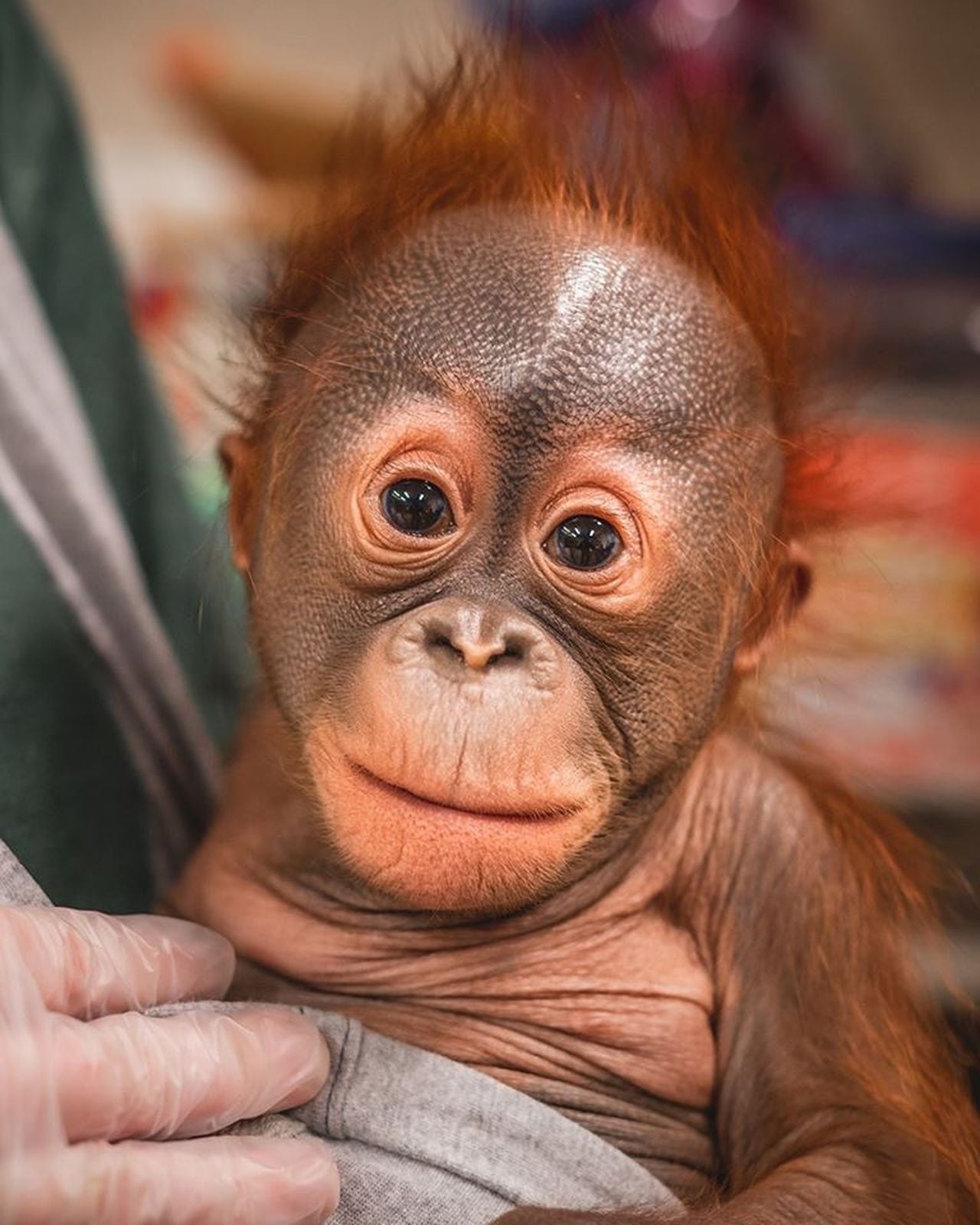
Caring for a newborn orangutan in captivity requires a comprehensive understanding of their unique needs. This article outlines essential steps for creating a suitable environment, emphasizing the importance of proper nutrition tailored to their dietary requirements. Socialization is crucial for a newborn orangutan’s development, and the article addresses common challenges faced during their care, along with effective solutions. Veterinary care is highlighted as a vital component to ensure health and wellbeing. Additionally, the article provides insights into necessary tools and equipment, while suggesting ways to develop a daily care routine that incorporates enrichment activities. Key takeaways aim to equip caregivers with best practices that enhance the overall care experience for newborn orangutans in captivity, fostering a nurturing environment that supports their growth and happiness.
Understanding The Needs Of A Newborn Orangutan In Captivity
Caring for a newborn orangutan in captivity requires thorough understanding and dedication to meet their unique needs. These young primates, being highly intelligent and social animals, have specific requirements that are crucial for their growth and development. The first few months of life are particularly vital, as this period lays the foundation for their physical and behavioral health.
Key Needs Include
- Warmth and Comfort
- Proper Nutrition
- Physical and Mental Stimulation
- Social Interaction
- Environment Enrichment
- Routine Veterinary Care
- Safety and Security
Understanding the care requirements of a newborn orangutan is essential for their well-being and future development. Providing the right environment and support can significantly enhance their chances of thriving in captivity.
The importance of observation cannot be overstated when caring for a newborn orangutan. Close monitoring allows caregivers to detect any signs of distress or health issues early on. Additionally, fostering a strong bond through consistent interaction will help the young orangutan build trust and feel secure in their environment. Ultimately, meeting their needs effectively will contribute to a healthier and happier life in captivity.
Essential Steps For Creating A Suitable Environment
Creating an optimal environment for a newborn orangutan is crucial to ensure their well-being and development. In captivity, these animals need a space that mimics their natural habitat as closely as possible, allowing them to thrive. One of the primary elements in achieving this is to focus on the environmental specifics that cater to their needs. These include adequate space, appropriate temperature, and materials that encourage natural behaviors.
Steps To Follow
- Assess the available space and ensure it is large enough for movement and play.
- Maintain an appropriate temperature range that mimics their tropical habitat.
- Incorporate climbing structures to encourage natural climbing behaviors.
- Include bedding materials that promote comfort and mimic forest floor conditions.
- Provide a variety of toys to stimulate mental and physical activities.
- Ensure proper ventilation to maintain air quality.
- Regularly inspect the environment for safety hazards and make necessary adjustments.
In addition to these steps, it’s essential to conduct regular tests of the environment to gauge temperature, humidity, and cleanliness levels. Such monitoring will not only ensure a safe habitat but also allow caregivers to make informed adjustments. A well-kept environment significantly enhances the chances of a successful upbringing for a newborn orangutan in captivity.
By emphasizing the importance of a suitable environment, caregivers can help newborn orangutans adapt and flourish, thereby setting the foundation for a healthy future.
Ultimately, fostering a suitable environment means more than just meeting physical needs; it’s about creating a space where a newborn orangutan can express natural instincts and behaviors essential for their development. Caregivers should continually seek new ways to enhance the habitat and ensure that all aspects contribute positively to the health and happiness of these magnificent creatures.
Nutritional Requirements For A Newborn Orangutan’s Diet
The diet of a newborn orangutan is critical for its growth and development. In captivity, caregivers must replicate the nutrient-rich diet that these primates would naturally consume in the wild. Given that newborn orangutans are highly dependent on their mothers during the first months of life, their diet should primarily consist of high-quality maternal milk or its substitutes until they are ready for solid foods. This milk is crucial as it provides the essential fats, proteins, vitamins, and minerals necessary for a healthy start.
| Food Type | Nutritional Value | Recommended Quantity |
|---|---|---|
| Infant Formula | High in fats and proteins | 50-100 ml/day |
| Fruit Purees | Rich in vitamins and fiber | 30-50 gm/day |
| Vegetable Purees | Full of minerals and antioxidants | 20-40 gm/day |
| Porridge (fortified) | Source of carbohydrates and essential nutrients | 20-30 gm/day |
As the newborn orangutan matures, it becomes essential to diversify its diet to include various solid foods that will supply the necessary nutrients for continued health. This transition usually begins around six months of age, and caregivers should monitor the infant closely during this period. It’s important to incorporate foods that cater to their developing digestive systems. Caregivers must ensure that the diet is not only nutritious but also appealing to encourage the orangutan to eat.
Food Options Include
- Banana puree
- Sweet potato puree
- Mango puree
- Fortified infant cereal
- Papaya puree
- Rice cereal mixed with water
- Mashed avocado
Regularly consulting with a wildlife nutrition expert is highly recommended to adapt the diet according to the orangutan’s growth stages and health status. It’s essential to maintain a balanced diet that meets the unique needs of each newborn orangutan. Remember, as outlined by experts, “A healthy diet in the early stages can set the tone for a thriving adult life.” Regular vet check-ups will help in assessing dietary needs and ensuring that the infant is on the right track toward optimal health.
Socialization Needs For A Newborn Orangutan’s Development
Developing a newborn orangutan’s socialization skills is essential to ensure their healthy growth and well-being, especially in a captive environment. In orphanages dedicated to wildlife rehabilitation, caregivers must create opportunities for these baby orangutans to interact with others. These interactions help them learn important behaviors, social cues, and bonding techniques that are vital for their future integration back into the wild or a suitable habitat.
Key Socialization Activities Include
- Peer Interaction: Allowing the baby orangutan to socialize with other young orangutans under supervision.
- Hand-Rearing Sessions: Engaging in cuddle time to foster trust and attachment between the caregiver and the baby.
- Playtime Activities: Introducing toys that promote playful interactions, enhancing physical and social skills.
- Observation Exercises: Facilitating a safe viewing experience of adult orangutans to learn from their behaviors.
- Routine Social Feeding: Encouraging shared meals to foster communal behavior and social bonding.
- Group Outings: Scheduling supervised trips with other infants and caregivers to stimulate exploration and social behavior.
- Mirror Play: Using mirrors to help the baby orangutan recognize themselves, enhancing self-awareness.
By prioritizing these key socialization activities, caregivers can address the innate needs of a newborn orangutan. Such environments are not only beneficial for their immediate emotional health but also crucial for their long-term adaptability. Providing opportunities for interaction and positive reinforcement can significantly influence the way a baby orangutan navigates social situations, both now and in the future.
Ultimately, ensuring that a newborn orangutan receives adequate socialization is as important as their physical care; both aspects contribute to a well-rounded and healthy development.
Common Challenges And Solutions When Caring For Newborn Orangutans
Caring for a newborn orangutan in captivity presents several unique challenges that require dedicated attention and specialized knowledge. These challenges often stem from their complex needs and behaviors, which are influenced by their natural habitat and social structures. In this context, understanding and addressing these challenges is crucial for the healthy development of these magnificent primates.
One of the most important factors in effectively caring for newborn orangutans is recognizing their emotional and psychological needs. Without proper socialization and interaction, an orangutan may develop behavioral issues that hinder their growth and adaptability. This requires caregivers to strike a balance between providing care and fostering independence, which can be particularly challenging, especially during early development stages.
Challenges Faced
- Limited parental care experience among caregivers
- Inadequate socialization opportunities
- Health issues due to improper diet or stress
- Difficulty in mimicking natural behaviors
- High vulnerability to environmental changes
- Potential developmental delays from lack of stimulation
Common Challenges and Solutions for Newborn Orangutans
| Challenge | Possible Impact | Solution |
|---|---|---|
| Limited parental care experience | Behavioral issues | Training programs for staff |
| Inadequate socialization | Emotional distress | Introducing peer interactions |
| Health issues | Physical development problems | Regular veterinary checks and balanced nutrition |
| Difficulty mimicking natural behaviors | Stress and anxiety | Simulated environments and enrichment activities |
Providing a naturalistic environment is vital for the well-being of newborn orangutans. Caregivers must recreate aspects of their natural habitat to facilitate healthy development and avoid detrimental stress. This involves not only structural components but also emotional and social interactions that mimic their wild counterpart’s life. Furthermore, having a clear plan for integrating enrichment activities can help solve some of the challenges faced.
Lastly, continuous education and adaptation to new findings in orangutan care can significantly improve how caregivers address these challenges. Collaborating with wildlife experts and engaging in ongoing training can yield positive outcomes and ensure long-term success in caring for newborn orangutans. By addressing these challenges head-on, we can better ensure the health and happiness of these precious animals during a critical phase of their lives.
Importance Of Veterinary Care For Newborn Orangutans
Providing adequate care for a newborn orangutan in captivity is vital for their overall health and development. One significant aspect of this care is the role of veterinary services. Veterinary care ensures that these young primates receive the necessary medical attention to thrive during their formative months. A healthy start is crucial, as newborn orangutans are incredibly vulnerable to various health challenges that can arise in captivity.
Veterinary expertise is essential in establishing a health baseline for newborn orangutans. Regular check-ups can help identify any potential health issues early on and ensure that the proper vaccinations are administered on schedule. Consistent monitoring through veterinary assessments not only aids in managing any existing health concerns but also enhances the animal’s overall well-being and longevity.
Essential Vet Care Steps
There are several steps that should be followed to ensure optimal health through veterinary care for newborn orangutans:
- Conduct thorough initial health screenings immediately after birth.
- Administer necessary vaccinations as per veterinary guidelines.
- Schedule regular check-ups to monitor development and growth.
- Implement a nutritional assessment to determine dietary needs.
- Provide preventative care against common diseases and infections.
- Address any behavioral or environmental stressors identified through observations.
- Maintain comprehensive medical records for ongoing health assessments.
Understanding these essential processes can significantly impact the success of caring for a newborn orangutan. Ensuring that a qualified veterinary professional is involved from the outset lays a strong foundation for the animal’s future well-being.
Key Veterinary Procedures
Veterinary procedures are not just limited to initial assessments. Ongoing evaluations and treatments are vital components of care. Focused attention on the health of newborn orangutans includes routine procedures such as weight monitoring, dental checks, and assessing cognitive behavior. These aspects can uncover any anomalies early, allowing for prompt intervention, if necessary. Each veterinary visit serves as a critical opportunity to guide caregivers on how to better support the unique needs of these animals during their growth stages.
The combination of specialized veterinary care and attentive husbandry can profoundly influence the health trajectory of newborn orangutans.
Tools And Equipment Required For Care Of Newborn Orangutans
When caring for a newborn orangutan in captivity, having the right equipment is essential for ensuring their health and well-being. This specialized equipment not only facilitates proper feeding and care but also helps in creating a nurturing environment that mimics their natural habitat as closely as possible. In addition to basic supplies, attention should be given to tools that support their developmental needs.
Necessary Equipment
- Dedicated incubator for temperature regulation
- Feeding bottles with appropriate nipple sizes
- Quality formula specifically designed for orphaned primates
- Soft, clean bedding for comfort
- Humidity monitor to ensure suitable environment
- List of veterinary contacts for quick health assessments
- Behavioral enrichment toys to stimulate play and learning
| Equipment | Purpose | Notes |
|---|---|---|
| Incubator | Maintains proper body temperature | Essential for newborns unable to regulate temperature |
| Feeding Bottles | Facilitates feeding of formula | Use soft nipples to avoid choking |
| Formula | Provides necessary nutrition | Specifically formulated for neonatal primates |
| Bedding | Offers comfort and security | Change frequently to maintain hygiene |
In addition to these core tools, caregivers should also consider having medical supplies on hand for emergencies. This can include items such as syringes for feeding, antiseptics for wound care, and dietary supplements recommended by veterinarians. Being prepared with the right resources allows caregivers to respond swiftly to any situations that may arise, ensuring the newborn orangutan receives the care they need to thrive.
Developing A Daily Care Routine For Newborn Orangutans
Establishing a structured routine for a newborn orangutan is crucial for its growth and well-being. A daily care routine not only helps in meeting the physical and emotional needs of the orangutan but also fosters a sense of security and stability. Newborn orangutans require constant attention to thrive, and having a well-defined schedule ensures that all necessary aspects of care are consistently addressed.
The routine should encompass feeding, hygiene, social interaction, and enrichment activities. Each of these elements plays a vital role in the healthy development of a newborn orangutan. A nurturing environment helps mimic their natural habitat, allowing them to explore and learn while under the careful supervision of their caregivers. By adhering to a daily plan, caregivers can monitor the orangutan’s health and adjust care as needed.
Daily Routine Steps
- Feeding: Provide appropriate nutrition, ensuring that the diet meets their specific needs.
- Hygiene: Perform regular cleaning and monitoring for any signs of illness or discomfort.
- Social Interaction: Facilitate bonding time to nurture emotional health and social skills.
- Enrichment Activities: Incorporate toys and challenges that stimulate their cognitive development.
- Rest Time: Ensure ample time for sleeping and resting to promote growth.
- Monitoring Health: Regularly check for any changes in behavior or physical condition.
- Environmental Enrichment: Rotate the surroundings to keep their environment stimulating and engaging.
As caregivers go about executing the daily care routine, it is important to remain attentive to the unique needs of each newborn orangutan. Personalization of the routine based on individual temperaments and preferences can enhance the effectiveness of the care provided. Consistency with the routine is key; abrupt changes can lead to stress and affect the orangutan’s adjustment to captivity.
Finally, collaboration with veterinary professionals is essential to implement the routine effectively. Regular check-ins can help ensure that the care plan aligns with the health needs of the newborn orangutan. A well-developed daily routine not only optimizes health outcomes but also fosters a bond between the caregiver and the orangutan, leading to a successful nurturing experience in captivity.
Best Practices For Enrichment Activities With Newborn Orangutans
Engaging newborn orangutans in appropriate enrichment activities is crucial for their development and well-being. These activities stimulate their natural instincts and encourage physical and cognitive growth. It’s essential to devise enrichment strategies that mimic their natural environment while being safe and suitable for their young age. Each interaction is an opportunity to bond with the animal, nurturing not just their bodies but also their social skills.
Recommended Activities
- Introduce sensory objects: Use safe, natural items like leaves and soft branches that encourage tactile exploration.
- Offer varied textures: Provide fabrics and materials such as burlap or fleece for them to interact with, promoting sensory development.
- Create climbing opportunities: Use padded platforms and ropes that allow the newborns to climb and explore their surroundings safely.
- Implement water play: Shallow water bowls can be engaging and encourage play while teaching them about fluid dynamics.
- Encourage foraging: Hide small pieces of fruit or treats in their enclosure to promote natural foraging behavior.
- Engage with caregivers: Schedule regular interaction sessions with caregivers to promote social bonding and emotional security.
- Utilize mirrors: Place mirrors in their space to foster curiosity and self-recognition, enhancing their cognitive development.
Incorporating a variety of activities allows caregivers to monitor the preferences and developmental progress of each newborn orangutan. It is crucial to adapt the activities based on their individual needs and responses. Regular evaluation of the enrichment program ensures that the activities remain engaging and beneficial. Additionally, observing how the orangutans engage with different types of enrichment can provide valuable insights into their personality and preferences.
Lastly, remember that enrichment is not static; it should evolve as the newborn orangutan grows and develops new skills. Continuous challenges will not only keep them engaged but also help them transition to more complex tasks and interactions as they mature. By maintaining a stimulating environment packed with movement and discovery, you will lay the foundation for a healthy and thriving orangutan in captivity.
Key Takeaways On Caring For A Newborn Orangutan In Captivity
Caring for a newborn orangutan in captivity can be an incredibly rewarding yet challenging task. It is essential to understand the unique requirements of these young primates to ensure their health and well-being. One of the critical takeaways is to prioritize their emotional and social needs alongside physical care. This includes establishing a bond with them and providing them with a safe, stimulating environment that mimics their natural habitat as closely as possible.
Final Tips Include
- Maintain a warm and safe environment to mimic their natural habitat.
- Follow a balanced diet suitable for a newborn orangutan, rich in essential nutrients.
- Engage in regular social interactions to help develop their social skills.
- Implement consistent routines to create a sense of stability.
- Incorporate enrichment activities to stimulate mental and physical health.
- Monitor their health closely, seeking veterinary care as needed.
Always be mindful of each orangutan’s individual needs and behaviors. Providing proper care goes beyond just meeting basic needs; it entails understanding their emotional responses and fostering a nurturing environment. Remember, takeaways from successful practices can significantly improve the quality of life for newborns in captivity and assist caretakers in developing effective care strategies.
Frequently Asked Questions
What are the primary needs of a newborn orangutan in captivity?
Newborn orangutans require warmth, consistent nourishment, social interaction, and mental stimulation. They are highly dependent on caregivers for their emotional and physical well-being, which is crucial during their early development stages.
What steps can be taken to create a suitable environment for a newborn orangutan?
To create a suitable environment, ensure the space is safe, spacious, and mimics their natural habitat with climbing structures, soft bedding, and temperature control. It’s also important to maintain a clean space and limit the number of visitors to reduce stress.
What should a newborn orangutan’s diet consist of?
A newborn orangutan’s diet typically includes specialized formula milk designed for primates, followed by gradual introduction to mashed fruits and vegetables as they grow. Proper hydration is also essential, so fresh water must always be available.
How important is socialization for newborn orangutans?
Socialization is critical for newborn orangutans as they are social animals. Regular interaction with caregivers and, when suitable, other orangutans fosters their emotional development and helps them learn vital social skills.
What common challenges might caregivers face when caring for newborn orangutans?
Common challenges include ensuring proper nutrition, managing health issues such as infections, and addressing behavioral problems stemming from lack of socialization. Caregivers need to be vigilant and adaptable to the specific needs of each infant.
Why is veterinary care essential for newborn orangutans?
Veterinary care is crucial for monitoring the health of newborn orangutans, particularly for vaccinations, routine check-ups, and addressing any health concerns that may arise due to their vulnerable immune systems during infancy.
What tools and equipment are necessary for newborn orangutan care?
Essential tools and equipment include infant formula, feeding bottles, blankets for warmth, climbing structures, a safe enclosure, toys for stimulation, and cleaning supplies for maintaining hygiene.
How can caregivers develop a daily care routine for newborn orangutans?
A daily care routine should consist of scheduled feeding times, regular social interaction, playtime, health monitoring activities such as weight checks, and designated times for cleaning their habitat to promote their overall well-being and stability.