
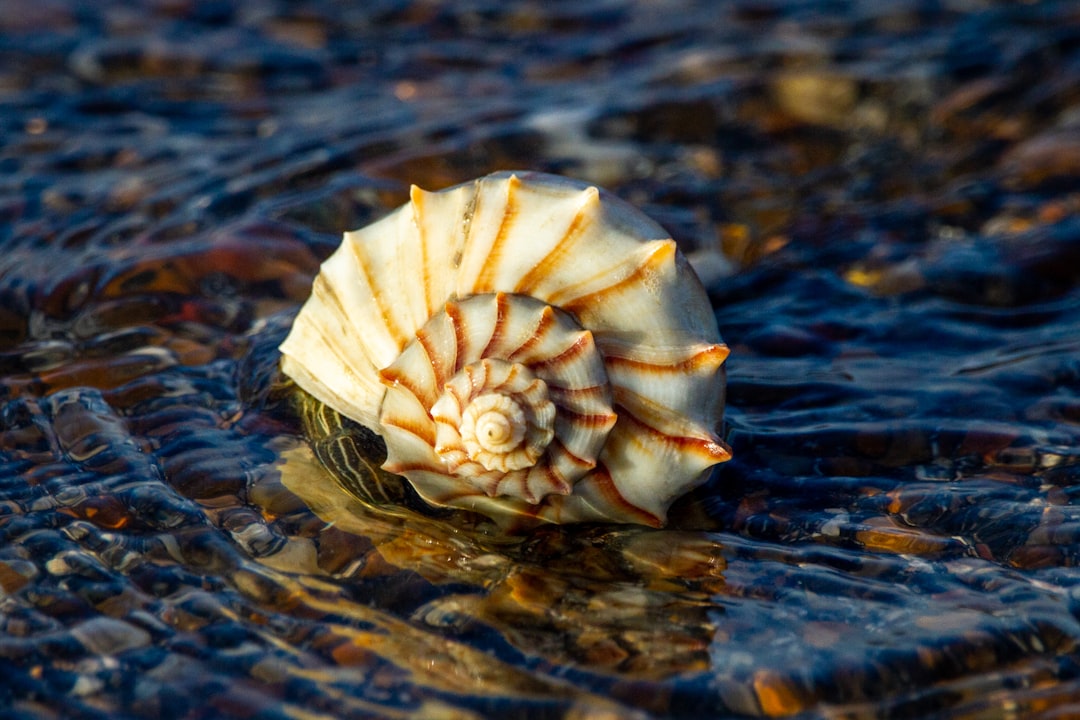
Selecting the right habitat for newborn hermit crabs is crucial for their health and well-being. The article emphasizes the importance of choosing a suitable environment, outlining essential features like proper humidity, temperature, and space. Common mistakes made during setup are highlighted, alongside tips for creating a safe and comfortable living space. It stresses the significance of monitoring habitat conditions regularly to ensure they meet the needs of newborn hermit crabs. The article also discusses environmental considerations and suggests recommended materials for building an ideal habitat. Signs of a healthy crab habitat are presented, ensuring new owners can assess their setup effectively. Finally, the piece recaps best practices for caring for newborn hermit crabs, offering final thoughts on creating the best possible environments for these unique pets.
The Importance Of Choosing The Right Habitat
Creating an optimal habitat for your newborn hermit crabs is essential to their overall well-being and development. These tiny creatures require specific conditions to thrive, and selecting the right habitat can significantly affect their health and longevity. A well-structured habitat not only provides safety and security but also replicates the environment they would naturally inhabit, promoting their natural behaviors and activities. By understanding the importance of habitat selection, you can ensure your newborn hermit crabs grow into healthy adults.
Key Factors to Consider
- Space: Ensure the habitat is spacious enough for movement and climbing.
- Substrate: Use a suitable substrate that mimics their natural environment.
- Humidity: Maintain optimal humidity levels to aid in molting and hydration.
- Temperature: Create a warm environment to facilitate metabolic processes.
- Decor: Incorporate hiding spots and climbing structures for mental stimulation.
- Water: Provide fresh and saltwater options for their drinking and bathing needs.
By addressing these key factors, you can create an enriching and comforting habitat that allows newborn hermit crabs to flourish. Remember, their habitat is not just a physical space; it is a crucial element of their care and development. A well-thought-out habitat also minimizes stress and encourages your crabs to exhibit natural behaviors, making for a more vibrant community.
Essential Features Of A Suitable Habitat
Creating an optimal habitat for newborn hermit crabs is essential for their growth and well-being. The environment must be carefully designed to mimic their natural habitat as closely as possible. The right habitat not only helps in their development but also ensures a lower stress level for these little creatures. A suitable habitat promotes healthy molting, foraging, and overall activity, which are critical for their survival in the early stages of life.
| Feature | Ideal Range | Description |
|---|---|---|
| Temperature | 75°F – 85°F | Maintaining appropriate warmth is crucial for metabolism. |
| Humidity | 70% – 80% | A humid environment helps retain moisture in their shells. |
| Space | Minimum 10 gallons | Ample space reduces territorial stress and promotes exploration. |
In addition to the basic needs of temperature and humidity, there are other vital aspects in creating a suitable habitat for newborn hermit crabs. These include enrichment, safe hiding spots, and sufficient substrate for digging. Each element plays a significant role in ensuring that newborn hermit crabs feel secure and stimulated in their new surroundings, leading to a healthier and more vibrant lifestyle.
Key Features
- Temperature Control: Ensure a stable temperature range of 75°F to 85°F.
- Moisture Considerations: Maintain humidity levels between 70% and 80%.
- Space Requirements: A minimum tank size of 10 gallons is recommended.
- Natural Decor: Include rocks, driftwood, and plants for a natural feel.
- Safe Hiding Places: Provide multiple hiding spots to promote security.
- Substrate Depth: Use a substrate of at least 3-4 inches for burrowing.
Temperature Control
Temperature control is vital in ensuring the well-being of newborn hermit crabs. These creatures are ectothermic, meaning they rely on external sources to regulate their body temperature. If their habitat becomes too cold or overheated, it can severely impact their metabolic functions. Using heating pads or light sources is often required to maintain the right temperature, paired with a thermometer for monitoring.
Moisture Considerations
Moisture is another key element in creating a suitable habitat for newborn hermit crabs. They thrive in a humid environment that helps them stay hydrated and prevents dehydration. Using a hygrometer can help keep track of humidity levels, while misting the habitat regularly can assist in maintaining the necessary moisture. Providing shallow water dishes filled with dechlorinated water is also essential for both hydration and temperature regulation.
By ensuring that these features are in place, you’ll create a supportive habitat for your newborn hermit crabs, laying the foundation for their healthy growth and development in your care.
Common Mistakes In Setting Up A Crab Habitat
Setting up a habitat for newborn hermit crabs requires careful attention to detail and a thorough understanding of their needs. One of the most significant mistakes that new crab owners make is failing to replicate the crabs’ natural environment. This can lead to stress, health issues, and ultimately, the death of the crabs. The ideal habitat should mimic coastal conditions, with appropriate humidity, temperature, and substrate. Ensuring that these elements are in place can prevent many common problems that arise from improper care.
Mistakes To Avoid
- Neglecting proper substrate depth
- Using toxic materials for decoration
- Failing to maintain appropriate humidity levels
- Overcrowding the enclosure
- Using water that contains chlorine or other harmful chemicals
- Not providing enough hiding spots and climbing areas
- Ignoring temperature requirements
Another common issue is the lack of a reliable water source. Newborn hermit crabs thrive in both saltwater and freshwater, so it’s essential to provide both types of water in separate containers. Each should be shallow enough to prevent drowning but deep enough to allow for bathing. Failing to provide a clean and safe water source can lead to dehydration and impede their growth. Proper care extends beyond food and should also encompass hydration to ensure a thriving habitat.
Creating a suitable habitat for your crab can help ensure they live a long, healthy life. Always prioritize their natural needs.
Lastly, many new crab owners overlook the importance of monitoring their habitat conditions regularly. Changes in humidity and temperature can occur rapidly, which can adversely affect your newborn hermit crabs. Investing in a reliable thermometer and hygrometer can make all the difference in maintaining optimal living conditions. By avoiding these common mistakes and remaining vigilant, you can create a safe and nurturing environment for your crabs, ensuring they thrive in their new home.
How To Create A Safe And Comfortable Environment
Creating a safe and comfortable environment for your newborn hermit crabs is crucial for their health and well-being. These delicate creatures require specific conditions to thrive, and providing an optimal setup can make all the difference. Ensure that their habitat mimics their natural environment as closely as possible. By paying attention to temperature, humidity, and the types of materials used in their setup, you can foster a thriving habitat for your newborn hermit crabs.
First and foremost, maintaining the right humidity levels is essential. Newborn hermit crabs, in particular, are sensitive to dehydration. Aim for a humidity level of around 70-80%. This can be achieved using a combination of a humidifier and regularly misting their environment. Additionally, include a shallow water dish with dechlorinated water, allowing your hermit crabs to hydrate and soak as needed. Make sure to check water levels daily to keep them fresh.
Steps To Follow
- Choose an appropriate size habitat that allows for movement and exploration.
- Set up a substrate that retains moisture, like coconut fiber or sand.
- Install a heating source to maintain optimal temperature levels between 75°F and 85°F.
- Add climbing structures and hiding spots to create an enriching environment.
- Regularly monitor humidity and temperature levels, making adjustments as needed.
- Include a shallow dish of dechlorinated water for hydration and soaking.
- Observe your hermit crabs for signs of stress or discomfort, adjusting their setup to meet their needs.
Another vital aspect is ensuring that the setup includes various items for enrichment. Newborn hermit crabs are naturally curious and will benefit from having places to explore. Incorporate items like driftwood, shells, and rocks to create a stimulating environment. These features not only provide hiding spots but also encourage natural behaviors, helping your hermit crabs feel safe and secure. Remember, a strong foundation of comfort will promote healthy growth and development.
Lastly, it’s critical to monitor your habitat conditions regularly. Keeping a close eye on temperature and humidity will help you identify and correct any issues before they adversely affect your newborn hermit crabs. Regular checks and maintenance can prevent stress and health problems. Creating a dynamic environment for your crabs will lead to happier, healthier pets, fulfilling their needs for both safety and comfort.
Environmental Considerations For Newborn Hermit Crabs
Providing a suitable environment for newborn hermit crabs is crucial for their growth and development. When establishing a habitat, it’s essential to consider various environmental factors that directly influence the health of these delicate creatures. Understanding temperature, humidity, and substrate type will not only help in creating a nurturing atmosphere but also ensure that newborn hermit crabs thrive in their new home.
Newborn hermit crabs are particularly sensitive to environmental changes. This sensitivity can affect their behavior and overall well-being. Therefore, it’s vital for crab owners to routinely monitor and adjust conditions within the habitat. Creating a controlled environment where newborn hermit crabs can flourish should include regular checks on key aspects such as temperature and humidity. These factors contribute significantly to the health and quality of life for these fascinating pets.
Temperature
Temperature plays a crucial role in the development of newborn hermit crabs. Ideally, the habitat should maintain a temperature between 75°F to 85°F (24°C to 29°C). Fluctuations outside this range can stress the crabs and hinder their growth. To regulate temperature effectively, consider using a heat mat or ceramic heat bulb. Monitoring devices such as thermometers will help maintain a consistent environment for your newborn hermit crabs.
Humidity
Humidity levels are equally important for ensuring the health of newborn hermit crabs. These crabs require a humidity level of around 70% to 80% for optimal health. Humidity can be regulated with the addition of a water dish, misting the habitat regularly, and using a hygrometer to monitor moisture levels. Proper humidity helps prevent dehydration and supports the molting process, which is vital for their growth.
Ideal Environmental Conditions for Newborn Hermit Crabs
| Factor | Ideal Range | Recommended Equipment |
|---|---|---|
| Temperature | 75°F to 85°F (24°C to 29°C) | Heat Mat, Thermometer |
| Humidity | 70% to 80% | Water Dish, Hygrometer |
| Substrate Type | Moist and breathable | Eco-friendly substrates |
Key Environmental Aspects
- Consistent Temperature: Maintain the temperature within the recommended range.
- Optimal Humidity: Keep humidity levels stable to prevent dehydration.
- Safe Substrate: Use suitable substrate to provide a comfortable environment.
- Clean Environment: Regularly clean the habitat to prevent harmful bacteria.
- Hideaways: Include hiding spaces to reduce stress for newborn hermit crabs.
- Water Accessibility: Ensure fresh, clean water is always available.
In summary, paying careful attention to the environmental conditions for newborn hermit crabs is essential. By ensuring the right temperature, humidity, and substrate type, crab owners can create an ideal habitat that fosters healthy growth and ensures the overall well-being of their newborn hermit crabs.
Recommended Materials For Crab Habitats
Setting up a suitable habitat for newborn hermit crabs is crucial for their growth and well-being. The right materials can significantly impact their comfort and health. When creating a habitat setup, consider using natural and safe materials that mimic their environment. This not only provides a familiar atmosphere but also encourages natural behaviors.
Essential Materials
- Natural substrate (e.g., coconut fiber, sand)
- Hideouts (e.g., driftwood, clay pots)
- Water dishes (shallow, easy to access)
- Food dishes (non-toxic materials that are sturdy)
- Heating pads or lamps (to maintain temperature)
- Calcium sources (e.g., cuttlebone, sepia) for shell growth
- Decorative items (safe for crabs to explore)
Recommended Habitat Materials
| Material | Purpose | Recommendation |
|---|---|---|
| Coconut Fiber | Natural substrate | Best for burrowing and moisture retention |
| Clay Pots | Hideout | Provides shelter and reduces stress |
| Heating Pads | Temperature control | Use underneath the tank for warmth |
| Cuttlebone | Calcium source | Essential for shell health |
Incorporating a combination of these materials can create a balanced ecosystem for your newborn hermit crabs. Not only do they need space to roam and explore, but they also thrive in environments that provide adequate humidity and temperature control. This habitat setup will help prevent stress and promote healthy behaviors essential for their development.
Monitoring The Habitat Conditions Regularly
Regularly monitoring the habitat conditions is crucial for the well-being of newborn hermit crabs. These sensitive creatures thrive in specific environments, and any deviation from optimal conditions can compromise their health. It is essential to focus on factors such as temperature, humidity, and water quality to ensure they remain safe and comfortable in their habitat. By staying vigilant, you can effectively adjust conditions to support their growth and overall happiness.
Monitoring Steps
- Check the temperature daily to keep it between 75°F and 85°F.
- Measure humidity levels with a hygrometer, maintaining a range of 70% to 80%.
- Inspect the substrate for moisture, ensuring it is damp but not waterlogged.
- Monitor water quality by using dechlorinated water in the drinking and bathing areas.
- Examine food sources regularly to confirm freshness and suitability.
- Observe hermit crab behavior for any signs of stress or discomfort.
- Document your findings to track any fluctuations in conditions over time.
It is also important to ensure that your monitoring practices are consistent. Establishing a routine for evaluating habitat conditions creates a proactive approach, allowing you to detect problems early before they escalate. By committing to regular checks, you can maintain an optimal environment that promotes the health of newborn hermit crabs. Strong, effective monitoring methods will also help you adjust conditions swiftly, creating a stable habitat.
“The key to success in caring for newborn hermit crabs lies in the meticulous observation and adjustment of their habitat conditions.”
In conclusion, keeping a watchful eye on your newborn hermit crabs’ environment is essential for their development. The steps you take to monitor humidity, temperature, substrate moisture, and overall habitat integrity will significantly impact their well-being. By understanding the importance of these conditions and regularly checking them, you will ultimately provide a nurturing environment where your hermit crabs can thrive.
Signs Of A Healthy Crab Habitat
Creating a suitable environment for newborn hermit crabs is essential for their growth and wellbeing. A healthy habitat directly influences their behavior, longevity, and overall health. Monitoring for specific indicators can help you ensure that your crab habitat is thriving. By paying attention to various signs, you can maintain the ideal living conditions for your crabs and keep them happy and active.
Active Behavior
One of the most noticeable signs of a healthy habitat is the active behavior exhibited by your newborn hermit crabs. Healthy crabs should frequently explore their surroundings, exhibit playful interactions with one another, and engage in ample climbing and digging. In contrast, lethargic or inactive crabs often signal that something may be wrong in their environment. Keeping your habitat enriching with different substrates and hiding spots can help stimulate activity.
Indicators Of Health
- Clear water: Clean, clear water is essential for hydration.
- Bright coloration: Vibrant colors on the crabs indicate proper health.
- Frequent molting: Regular molting shows growth and a healthy diet.
- Active exploration: Crabs should actively engage in their environment.
- Healthy eating: A balanced diet contributes to vibrant and active crabs.
- No signs of stress: Absence of aggressive behaviors or hiding indicates stability.
Cleanliness
Another critical factor in establishing a healthy habitat for newborn hermit crabs is cleanliness. Regular maintenance is required to prevent the buildup of waste and harmful bacteria. A clean habitat not only provides hygiene but also fosters an environment where crabs can thrive. Spot cleaning and complete habitat cleanouts should be performed consistently to maintain a safe space for your crabs.
Monitoring your crab habitat for these signs can help you maintain a healthy habitat conducive to growth and longevity for newborn hermit crabs. By paying attention to their behavior, cleanliness, and other indicators, you can ensure a thriving environment for your crustacean companions.
Recap Of Best Practices For Newborn Hermit Crabs
When welcoming newborn hermit crabs into your home, adhering to the best practices is crucial for their well-being. These small creatures require specific environmental conditions to thrive, reflecting their natural habitat. Proper care can lead to happy, healthy hermit crabs, while neglecting their needs can result in stress and health issues.
Best Practices
- Ensure a spacious and secure habitat that mimics their natural environment.
- Maintain optimal humidity levels between 70-80% to keep crabs hydrated.
- Provide a comfortable substrate for burrowing, such as coconut fiber or sand.
- Incorporate fresh food and clean, dechlorinated water daily.
- Regularly monitor temperature, aiming for 75-85°F to prevent stress.
- Include hiding spots to help newborn hermit crabs feel safe and secure.
- Perform routine checks on their health and habitat condition to address issues promptly.
Following these best practices can significantly improve the quality of life for your newborn hermit crabs. Regular adjustments based on behavioral observations will guide you in making necessary modifications to their habitat. It’s essential to stay informed and adaptive to ensure they flourish.
In summary, maintaining a nurturing environment is key to successful hermit crab care. By focusing on their health and comfort, you can foster a thriving ecosystem right in your home.
Overall, understanding the unique requirements of newborn hermit crabs sets you up for success. Each crab may have slightly different needs, so always be observant and responsive to their behavior. Following the outlined best practices is your best route to achieving vitality in your hermit crab habitat.
Final Thoughts On Creating Ideal Habitats
Creating an ideal habitat for your newborn hermit crabs is crucial for their growth and overall well-being. By understanding their natural environment and mimicking essential features, you can create a setup that fosters healthy development. Prioritize humidity and temperature control, as both elements are vital for your crabs’ physiological processes. Consistently monitor these conditions to ensure they remain within optimal ranges. Failure to do so could lead to stress or health issues for your pets.
Actionable Steps
- Choose a spacious tank that allows for natural climbing and exploration.
- Maintain proper substrate to ensure burrowing opportunities.
- Install a reliable heating source to keep the environment warm.
- Provide clean, dechlorinated water for both drinking and bathing.
- Add decorative items for shelter and stimulation, such as shells and plants.
- Regularly clean the habitat to prevent disease and maintain hygiene.
- Observe your hermit crabs closely for signs of stress or unease.
In conclusion, the well-being of newborn hermit crabs greatly depends on the habitat you provide. By following the actionable steps outlined above, you can create a nurturing environment that promotes healthy growth. For a successful and fulfilling experience as a crab owner, remember to continually adapt and improve your setup based on your observations and feedback. These closing thoughts should reinforce the notion that a well-thought-out habitat directly correlates with the happiness of your crabs.
Frequently Asked Questions
Why is it important to choose the right habitat for newborn hermit crabs?
Choosing the right habitat is crucial for newborn hermit crabs because it ensures their survival and growth. A suitable environment helps regulate temperature and humidity, which are vital for their development and overall health.
What essential features should a habitat for newborn hermit crabs have?
A suitable habitat for newborn hermit crabs should include elements like a substrate for burrowing, adequate ventilation, hiding spots, and access to both fresh and saltwater. Additionally, maintaining proper humidity levels (around 70-80%) and a temperature range (around 72-80°F) is also important.
What common mistakes should be avoided when setting up a crab habitat?
Common mistakes include using unsuitable substrates, not providing enough hiding places, failing to maintain proper humidity and temperature, and overcrowding the habitat. It’s also important not to use items that can be harmful, like untreated wooden decor or hazardous chemicals.
How can I create a safe and comfortable environment for newborn hermit crabs?
Creating a safe environment involves ensuring proper substrate depth for burrowing, placing hiding spots around the habitat, using a secure lid to prevent escapes, and regularly checking temperature and humidity. Additionally, providing clean food and water sources is essential.
What environmental considerations should I keep in mind for newborn hermit crabs?
Environmental considerations for newborn hermit crabs include ensuring stable temperature and humidity, minimizing exposure to direct sunlight, preventing drafts, and using aquariums with lids to retain moisture. Regular monitoring of these factors is crucial.
What materials are recommended for setting up crab habitats?
Recommended materials include coconut fiber or sand for substrate, aquarium-safe rocks and driftwood for climbing and hiding, and air pumps or sponges for water, along with shallow dishes for fresh and saltwater. Avoid any toxic materials.
How often should I monitor the habitat conditions for my hermit crabs?
It’s best to monitor habitat conditions daily, especially for temperature and humidity levels. Weekly checks on water quality and food freshness are also recommended to ensure the health of your newborn hermit crabs.
What are signs of a healthy crab habitat?
Signs of a healthy crab habitat include stable temperature and humidity levels, clean water, active and social crabs, adequate food supply, and clean substrate. You should also observe your hermit crabs successfully transitioning between shells and exhibiting normal behaviors.