
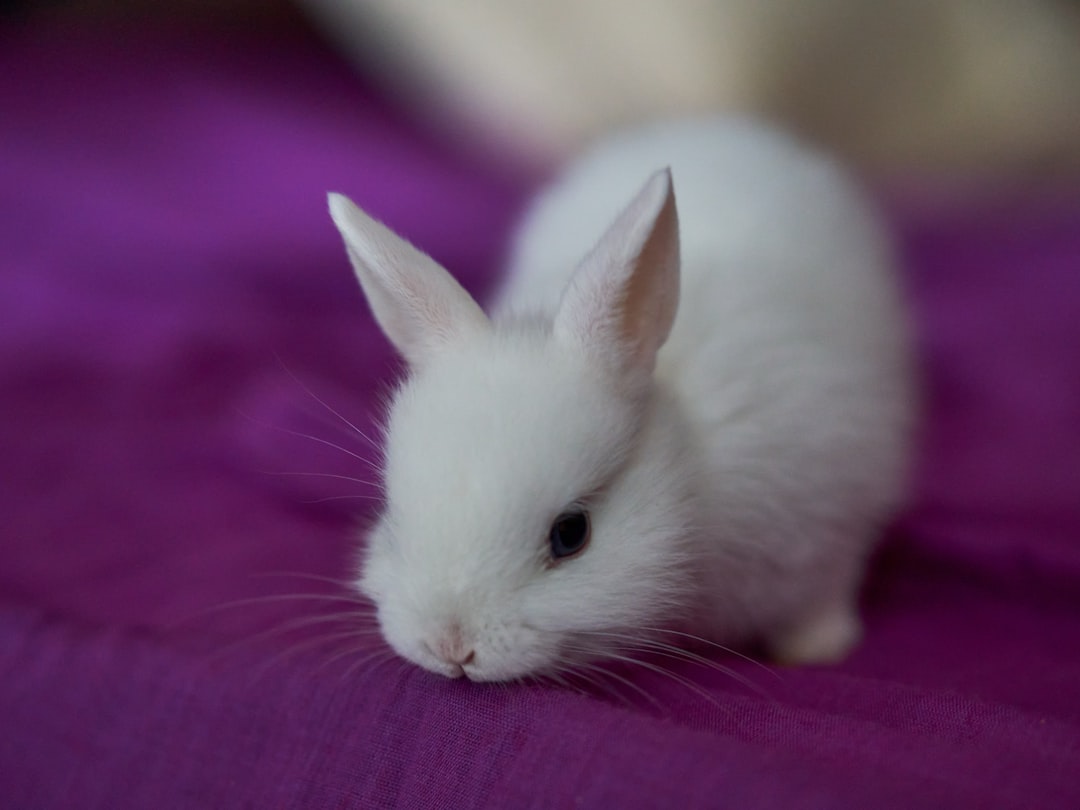
This comprehensive guide on caring for newborn bunny rabbits explores their unique needs and habitats. It provides a step-by-step approach to ensuring these delicate creatures receive the proper care they require. Key sections address the importance of nutrition tailored for newborn bunnies and tips for creating a safe and comfortable environment. Additionally, the guide highlights common health issues and the necessary veterinary care that may be needed. Socialization tips to help newborn bunnies thrive are also included, alongside guidance for those who may find an abandoned newborn rabbit. Essential takeaways and next steps for prospective bunny parents wrap up this informative piece. Whether you’re a new pet owner or just curious about newborn bunny rabbits, this article serves as an invaluable resource for understanding and meeting their specific care requirements.
Exploring The Fascinating World Of Newborn Bunny Rabbits
Newborn bunny rabbits, or newborn bunnies, are undeniably one of nature’s most adorable creatures. Understanding their unique characteristics is crucial for anyone looking to care for them. These tiny, delicate animals have specific needs during their early days, which play a significant role in their development and health. Taking the time to learn about their traits will help you provide the best care possible, ensuring they grow into happy, healthy adult rabbits.
Key Characteristics Of Newborn Bunny Rabbits
- Size: Newborn bunnies typically weigh around 1 to 2 ounces at birth.
- Fur: They are born hairless and extremely vulnerable, developing fur within the first few weeks.
- Eyes and Ears: Their eyes and ears remain closed for the initial week, limiting sensory input.
- Temperature Regulation: Newborn bunnies rely on their mother for warmth, as they cannot regulate their body temperature.
- Mobility: They are immobile at birth, gradually gaining mobility as they grow stronger.
- Feeding: Nursing typically starts within a few hours after birth, essential for their growth.
- Social Behavior: Newborn bunnies start to bond with their littermates and mother shortly after birth.
As you embark on the journey of caring for newborn bunny rabbits, it’s vital to remember that their well-being is paramount. The first few weeks are critical, and proper care ensures that they thrive. This includes creating a structured environment, monitoring their health, and being prepared for any signs of distress. Remember, a knowledgeable and nurturing approach will significantly impact their early experiences, leading to a happy and healthy life.
Understanding and addressing the needs of newborn bunny rabbits is key to nurturing them successfully.
Monitoring the growth and progression of newborn bunnies is not just fulfilling, but it also prepares you for when they begin to explore the world outside the nest. Investing time in their care will set a foundation for a lasting bond and a rewarding experience as a bunny parent. Always prioritize their comfort and health, as these factors are crucial in ensuring that your new furry companions can lead an enriching life.
Understanding Their Unique Needs And Habitats
When it comes to caring for newborn bunny rabbits, it’s essential to recognize that these adorable creatures have specific needs that cater to their health and well-being. Understanding their natural environment and behavioral patterns can significantly enhance their chances of survival, especially during the early stages of life. Newborn bunnies, typically born in a burrow, are initially dependent on their mother for warmth and nutrition. Therefore, creating an environment that mimics their natural habitat can help them thrive.
Essential Requirements For Newborn Bunnies
- Warmth: Maintain a warm environment, ideally between 68°F and 72°F.
- Clean Bedding: Use soft, clean materials for bedding to promote comfort.
- Nutrition: Ensure access to high-quality formula specifically designed for rabbits if maternal feeding is not possible.
- Space: Provide enough space for movement and exercise to avoid lethargy.
- Quiet Environment: Minimize noise and distractions to reduce stress.
- Water: Make sure fresh water is always available as they grow.
- Veterinary Care: Regular check-ups are crucial to monitor their health.
In addition to these essential requirements, understanding the behaviors of newborn rabbits can foster a nurturing environment. They are prey animals and often instinctively hide when feeling threatened. Consequently, it’s vital to interact with them gently, allowing them to adjust and feel secure in their new surroundings. By meeting the unique needs of these newborns, you not only ensure their physical health but also contribute to their emotional well-being.
Step-By-Step Guide To Caring For Newborn Bunny Rabbits
Caring for newborn bunny rabbits requires a compassionate approach and a solid understanding of their specific needs. These tiny creatures are delicate and depend heavily on their caretakers for their survival and well-being. It’s essential to create a nurturing environment that fosters their growth, ensuring that they receive the right care from day one.
Steps For Caring For Newborn Bunny Rabbits
- Provide Adequate Heat: Newborn rabbits cannot regulate their body temperature, so it’s crucial to keep them warm.
- Monitor Their Weight: Weigh the bunnies daily to ensure they are gaining weight, an essential indicator of health.
- Feed Properly: Use a suitable milk replacer specifically designed for rabbits if the mother is absent.
- Keep Their Living Area Clean: Sanitize their bedding frequently to prevent infections.
- Handle With Care: Limit handling to avoid stress; gentle touches are key to their comfort.
- Observe Their Behavior: Watch for signs of distress or illness; early detection is vital.
- Seek Veterinary Help When Needed: Consult a vet for health concerns, especially in the first few weeks.
These steps are designed to support the growth of newborn bunny rabbits and enhance their chances of survival. Remember, the first few weeks are critical, and your attentive care can make all the difference. Moreover, it’s important to understand that every bunny is unique; thus, their individual needs may vary, requiring patience and dedication from their caretakers.
In conclusion, investing time in understanding how to properly care for a newborn rabbit not only benefits the bunnies but also enriches the bond between you and your new pets. Utilize this guide as a fundamental resource to help you navigate this rewarding experience, ensuring your adorable friends thrive in a loving and secure environment.
The Importance Of Proper Nutrition For Newborn Bunnies
Ensuring that newborn bunny rabbits receive the proper nutrition is crucial for their growth and development. As these tiny creatures embark on their journey of life, the right diet will not only support their physical health but also play a significant role in their overall well-being. Newborn bunnies have unique dietary needs that must be met in order to set a strong foundation for a healthy life.
In the early stages of life, newborn rabbits rely entirely on their mother’s milk, which provides essential antibodies and nutrients. If their mother is not available, it becomes vital for caretakers to replicate this critical source of nutrition. It’s essential to use commercially available formulas designed for infant rabbits, as these provide the necessary nutritional profile to support their rapid growth. Failure to do so can result in serious health issues and stunted growth in these vulnerable animals.
| Nutrient | Importance | Sources |
|---|---|---|
| Protein | Supports muscle and tissue development | Mother’s milk or rabbit milk replacers |
| Fat | Provides energy and aids in nutrient absorption | Mother’s milk or specially formulated formulas |
| Vitamins | Essential for immune function and overall health | Fortified milk formulas |
| Minerals | Critical for bone health and development | Supplemental mineral mixes in formula |
Maintaining the correct feeding schedule is just as vital as providing the right nutrition. Caregivers must closely monitor the newborn bunnies’ feeding habits and ensure that they are consuming sufficient amounts at appropriate intervals. A consistent feeding routine will help in mimicking the nurturing environment of their mother, providing a sense of comfort and security for the newborn bunnies.
Nutritional Requirements For Newborn Rabbits
- High-quality rabbit milk replacer
- Regular feeding every 2-3 hours
- Warm milk for optimal digestion
- Gradual introduction of hay after a few weeks
- Small amounts of fresh greens as they mature
- Access to clean, fresh water
Milking Techniques
When caring for orphaned or abandoned newborn bunnies, understanding effective milking techniques becomes vital. Using a syringe or a specialized bottle for feeding will help deliver the milk mimic the way their mother would. It is essential to be gentle and patient during the feeding process, as newborn rabbits are delicate and can easily be stressed. Feeding slowly and ensuring they are in a comfortable position can greatly enhance their feeding experience.
In conclusion, the importance of nutrition for newborn bunny rabbits cannot be overstated. By providing them with suitable feeding options and maintaining a consistent schedule, caregivers can significantly contribute to their healthy growth and development, setting the stage for vibrant, happy adult rabbits.
Creating A Safe And Comfortable Environment For Newborn Bunnies
When caring for newborn bunny rabbits, establishing a safe and comfortable environment is crucial for their well-being. Newborn bunnies are particularly vulnerable, and their habitat should encourage warmth, security, and a sense of safety. The right conditions can significantly impact their growth and health, ensuring that they develop properly in their early stages of life.
Tips For A Safe Bunny Habitat
- Choose a quiet and dark space away from loud noises and disturbances.
- Use a soft bedding material, such as straw or hay, to keep them warm.
- Ensure the habitat is free from drafts to protect against temperature fluctuations.
- Create barriers or enclosures to prevent other pets from accessing the newborn bunnies.
- Regularly clean the habitat to maintain hygiene and prevent illness.
- Provide proper ventilation, ensuring fresh air circulation without direct drafts.
- Monitor the temperature, keeping it stable between 65°F to 75°F (18°C to 24°C).
Every aspect of their environment plays a significant role in keeping newborn bunnies safe and happy. Providing a secluded nesting box can help mimic the natural burrows that they seek. Additionally, introducing soft toys or safe chewables can promote comfort without any hazards. It’s also essential to observe how the newborn bunnies respond to their surroundings, adjusting the habitat to their needs as they grow.
Overall, creating a nurturing space for newborn bunny rabbits not only supports their physical health but also lays the foundation for their emotional well-being.
By ensuring that your newborn bunnies have a safe and comfortable environment, you contribute to their development and happiness. This careful setup allows them to thrive, preparing them for exploration and interaction as they mature. Regularly reviewing their habitat as they grow will help maintain their health and comfort, making your role as a caretaker rewarding and impactful.
Common Health Issues And Veterinary Care For Newborn Rabbits
As a new bunny parent, it’s crucial to understand the potential health issues that can arise in newborn bunny rabbits. These delicate creatures are vulnerable to various problems during their early development, and being proactive can make a significant difference in their well-being. Common health concerns for newborn rabbits include digestive issues, respiratory infections, and dehydration. Recognizing the signs early on allows for timely veterinary intervention, which is essential for their survival and growth.
| Health Issue | Symptoms | Treatment Options |
|---|---|---|
| Digestive Issues | Lack of fecal pellets, bloating, or lethargy | Increase fiber intake, warm compresses, or vet visit |
| Respiratory Infections | Coughing, sneezing, nasal discharge | Antibiotics, humidified air, or veterinary check-up |
| Dehydration | Dry mouth, sunken eyes, listlessness | Fluid therapy, electrolyte solutions, or vet care |
It is essential to keep a close watch on your newborn rabbits for any signs of distress. Regular check-ups with a qualified veterinarian can help in early detection and treatment of potential health problems. Vaccination at the right age is also vital in preventing diseases that can affect your bunnies as they grow older. Make sure to consult with your vet about the recommended vaccination schedule and any other preventive care they may need.
Signs Of Health Problems In Newborn Bunnies
- Production of fewer fecal pellets than normal
- Persistent lethargy or lack of energy
- Visible signs of dehydration, such as sunken eyes
- Abnormal breathing patterns or coughing
- Loss of appetite or refusal to nurse
- Swollen abdomen or obvious discomfort
- Change in fur condition or quality
If you notice any of these symptoms, it’s crucial to seek veterinary care immediately. Understanding these health issues and their corresponding treatments can prepare you for a proactive approach to caring for your newborn bunny rabbits. Remember, early intervention can be the key to ensuring a healthy and happy life for your furry companions.
Socialization Tips For Newborn Bunnies To Thrive
Socializing newborn bunny rabbits is essential for their development and overall well-being. Exposure to gentle handling and interaction helps them grow into friendly, confident pets. It is important to start the socialization process early, as newborn bunnies are highly impressionable in their first few weeks of life. Creating positive experiences during this time sets the stage for a trusting relationship between you and your new furry companions.
Steps To Socialize Newborn Bunnies
- Start Early: Begin socializing your newborn bunnies as soon as they are comfortable being handled.
- Gentle Handling: Always handle them with care, supporting their bodies and avoiding sudden movements.
- Introduce Familiar Sounds: Play soft music or use calm voices to acclimate them to common household noises.
- Short Interaction Sessions: Keep initial interactions brief to prevent overwhelming them.
- Encourage Exploration: Allow them to explore a safe, confined space while supervised to promote curiosity.
- Gradual Exposure to Other Pets: If you have other animals, introduce them gradually to avoid stress.
- Consistency and Patience: Regular interactions, always maintaining a calm demeanor, help build their confidence.
Ultimately, remember that socialization is a gradual process. Each newborn bunny rabbit will have a unique personality and may require different approaches to feel secure and comfortable. Keep in mind the importance of providing a safe environment where they can retreat if they feel scared or overwhelmed. Creating a routine will help them anticipate interactions positively.
By establishing a solid foundation of trust through socialization, you will help your newborn bunnies thrive and foster a stronger bond with them.
In conclusion, the socialization of newborn bunnies is not only rewarding but also crucial for their emotional health. As you build positive experiences, you cultivate an enriching environment where they can thrive. Regularly assess their comfort levels and adapt your techniques as needed to ensure they grow into well-adjusted companion animals.
What To Do If You Find An Abandoned Newborn Rabbit
Finding an abandoned newborn rabbit can be a distressing experience. These fragile creatures require immediate attention, and it is crucial to act swiftly but carefully. First and foremost, you should assess whether the rabbit indeed needs help. In many cases, mother rabbits may leave their young for short periods to forage for food, returning periodically. It’s essential to observe from a distance before intervening. If the newborn bunny rabbits are cold, visibly unhealthy, or have been neglected for several hours, it’s time to step in and provide assistance.
Immediate Actions For Abandoned Bunnies
- Ensure it’s truly abandoned: Observe for signs of the mother’s return.
- Keep them warm: Use a soft cloth or heating pad on low to provide warmth.
- Do not feed immediately: Introducing food too soon can be harmful.
- Contact a wildlife rehabilitator: They can provide guidance and resources for care.
- Prepare a safe space: Create a cozy environment for the bunnies to recuperate.
- Monitor their health: Observe for any signs of distress or illness.
- Do not handle unnecessarily: Stress can be detrimental to newborn bunny rabbits.
Once you have taken initial steps, it’s important to understand the requirements for caring for newborn bunny rabbits. They need specific nutrition, warmth, and a safe environment to thrive. Many people are unaware that newborn rabbits have very particular dietary needs; therefore, consulting with a vet or a rabbit care specialist can offer essential insights that may save their lives. In addition, keep their habitat clean and ensure they have ample space to grow and develop without obstacles.
Remember: Patience and careful handling are key when caring for abandoned newborn bunny rabbits.
As you work to nurture these delicate creatures back to health, consider seeking support from local animal rescue groups or forums filled with experienced bunny owners. They can offer valuable advice and may even connect you with resources to ensure the best possible outcome for the newborn rabbits in your care. By being proactive and informed, you can help these innocent beings find a better chance at life.
Key Takeaways For Newborn Bunny Rabbit Care
Caring for newborn bunny rabbits is both rewarding and challenging. These delicate creatures require special attention and care to ensure they thrive. It’s essential to monitor their health closely, as newborn bunnies are particularly vulnerable in their early days. Understanding their unique needs will help you provide the best possible start for these adorable pets, ensuring they grow into happy and healthy adult rabbits.
Important Care Reminders
- Always keep newborn bunnies in a warm environment to regulate their body temperature.
- Provide a clean and secure nesting area to prevent stress or injury.
- It’s crucial to monitor their feeding, particularly if they are orphaned.
- Introduce gradual socialization to help them adapt to human interaction.
- Regularly check for any signs of illness and contact a veterinarian if necessary.
- Ensure that their environment is safe and free of hazards.
- Educate yourself on the specific dietary needs for the age group of your newborn bunnies.
Providing the proper care for newborn bunny rabbits involves understanding their behavior and requirements. These bunnies rely heavily on their mother for nutrition and warmth, especially within the first few weeks of life. If the mother is absent, you may need to step in as their caregiver. Remember, a strong bond and socialization will significantly boost their development and well-being. By nurturing these little ones with love and care, you’ll help them flourish into beautiful companions.
Next Steps For Prospective Bunny Parents
Becoming a bunny parent is an exciting journey, especially when it involves caring for newborn bunny rabbits. However, it’s essential to be well-prepared for the responsibilities that come with nurturing these delicate creatures. Having a clear action plan will help ensure you meet the needs of your newborn bunnies effectively while also fostering a safe environment for their growth and well-being.
Action Plan For Caring For Newborn Rabbits
- Find a suitable and quiet space for the mother and her newborn rabbit.
- Observe the newborn bunnies for any signs of distress or health issues.
- Ensure the mother rabbit is healthy, well-fed, and stress-free.
- Research appropriate nutrition for both the mother and the newborns.
- Prepare for a veterinary visit if any health concerns arise.
- Learn about proper socialization techniques that will assist in bonding.
- Join a community or forum to share experiences and seek advice.
Implementing this plan will not only benefit the newborn rabbit but will also enhance your experience as a bunny parent. Remember, the early days are crucial for the healthy development of your newborn bunnies. Surrounding them with love and proper care will set the foundation for a thriving future.
Frequently Asked Questions
What are the signs of a healthy newborn bunny rabbit?
Healthy newborn bunny rabbits typically have smooth fur, a warm body temperature, and are responsive to handling. They should also demonstrate good feeding habits, such as nursing consistently if they are with their mother.
How can I tell if a newborn bunny rabbit needs help?
Signs that a newborn bunny rabbit may need help include a lack of movement, visible signs of distress, such as loud vocalizations, or an inability to nurse after the first few hours of birth. If you notice these signs, it’s essential to contact a veterinarian.
What should I feed newborn bunny rabbits if the mother is not available?
If the mother bunny is not available, you can provide a special kitten milk formula or a homemade mixture recommended by a veterinarian. It is crucial to avoid cow’s milk, as it can be harmful to bunnies.
What type of bedding is best for newborn bunny rabbits?
For newborn bunny rabbits, soft, absorbent bedding like shredded paper or hay is ideal. Avoid cedar or pine shavings, as their aromatic oils can be harmful to rabbits.
How can I create a safe space for newborn bunny rabbits?
To create a safe space for newborn bunny rabbits, use a clean, quiet box lined with soft bedding, and place it in a warm, secure area away from drafts, loud noises, and pets.
What are common health issues to watch out for in newborn rabbits?
Common health issues in newborn rabbits include hypothermia, dehydration, and gastrointestinal problems. Regular monitoring for signs of illness, such as lethargy or failure to gain weight, is crucial.
When can I start socializing newborn bunny rabbits?
You can begin gentle socialization as early as two weeks of age, focusing on positive and calm interactions to help them acclimate to human contact and handling without causing stress.
What steps should I take if I find an abandoned newborn rabbit?
If you find an abandoned newborn rabbit, observe from a distance for signs of the mother returning. If she doesn’t return within a few hours, contact a wildlife rehabilitator or veterinarian for guidance on the next steps.